

Imagine over a billion people asking questions out loud every single month. That’s the staggering scale of voice queries happening right now. In the US and UK, more than a quarter of consumers use digital assistants daily. This shift is reshaping how we find information.
This guide is your entry point into this exciting new world. We’ll show you why adapting your online strategy is no longer optional. It’s about connecting with users in a more natural, conversational way.
People are speaking to their devices instead of typing. They expect quick, direct answers. For any business, this trend offers a huge opportunity to get ahead. We’ll walk you through practical steps to make your content voice-friendly.
You’ll learn how to improve your site’s performance for spoken queries. These strategies will also strengthen your overall SEO. By the end, you’ll know exactly how to attract more traffic and stay competitive.
Table of Contents
Key Takeaways
- Voice queries are a massive and growing trend, with billions made monthly.
- Adapting your content for spoken questions is essential for modern businesses.
- Optimizing for this technology improves the overall user experience.
- This guide provides actionable strategies to enhance your online visibility.
- Mastering these techniques helps you connect with customers more effectively.
Understanding the Rise of Voice Search
The way we ask for information is undergoing a dramatic transformation, moving from keyboards to spoken words. This shift represents a fundamental change in how people interact with technology to find what they need.
Mobile users are three times more likely to use this technology than desktop users. People primarily turn to digital helpers for routine tasks, finding quick answers, and making local inquiries.
Voice Search Trends and Consumer Behavior
Understanding how consumers behave reveals important patterns. These assistants have become integrated into daily life for finding recommendations and even making purchases.
The convenience of speaking naturally drives adoption. Instead of typing fragmented phrases, individuals now ask complete questions as they would to another person.
Differences Between Voice and Traditional Search
The key distinction lies in how queries are phrased. While someone might type « weather Paris, » they’re more likely to ask their device, « What’s the weather like in Paris today? »
These spoken requests tend to be longer and more specific. They often include question words like « what, » « where, » or « how, » reflecting natural conversation patterns.
| Characteristic | Traditional Search | Voice Search |
|---|---|---|
| Query Length | Short keywords (2-3 words) | Complete sentences (5+ words) |
| Language Style | Abbreviated, fragmented | Conversational, natural |
| Local Intent | Sometimes location-based | Frequently local-focused |
| Device Usage | Primarily desktop | Mostly mobile devices |
Another critical difference is the strong local focus. Many requests seek nearby businesses or services, making voice search optimization particularly important for local visibility.
By recognizing these trends, businesses can better position themselves to meet user expectations when people turn to their assistants for help.
Mastering voice search optimization Techniques
To truly connect with users asking questions aloud, your approach must evolve. The secret lies in understanding how people naturally speak to their devices.
This requires focusing on two powerful elements: conversational phrases and featured snippets. Together, they create a foundation for successful responses.
Leveraging Conversational and Long-Tail Keywords
People don’t speak to their devices using short, typed phrases. They ask complete questions like they’re talking to a friend.
This is where long-tail keywords shine. These specific phrases match natural speech patterns perfectly.
For example, instead of targeting « best pizza, » aim for « Where can I find the best pizza near me? » Tools like AnswerThePublic help discover these question-based phrases.
Focus on queries beginning with « what, » « where, » and « how. » They capture clear user intent and align with spoken requests.
| Keyword Type | Traditional Example | Voice-Friendly Example | Intent Clarity |
|---|---|---|---|
| Short-Tail | meal delivery | What’s for dinner? | Low |
| Long-Tail | healthy meals | What’s the healthiest meal delivery option? | High |
| Question-Based | skincare routine | How to build a basic skincare routine? | Very High |
Securing Featured Snippets for Direct Answers
Featured snippets are crucial for voice responses. Assistants often read these « position zero » answers aloud.
Research shows 70% of spoken answers come from SERP features. Winning these spots dramatically increases your visibility.
Content structured for quick answers performs best in spoken results.
Create clear, concise responses to common questions. Use bullet points or short paragraphs under 50 words.
This formatting helps search engines extract and present your content as direct answers. It’s a powerful way to serve users immediately.
Harnessing Local SEO for Voice Searches
When people ask their devices for nearby services, they’re engaging in a powerful local discovery process. This represents a golden opportunity for businesses with physical locations. The key lies in understanding how to make your establishment easily findable through these interactions.
Local SEO forms the backbone of successful visibility for spoken queries. Many requests begin with phrases like « near me » or include specific city names. Your strategy should address this geographic focus directly.
Optimizing Your Google Business Profile
Your Google Business Profile serves as the primary source for digital assistants answering local questions. Claiming and optimizing this listing should be your first priority. Ensure your name, address, phone number, and hours are completely accurate.
Customer reviews play a significant role in establishing prominence. Encourage satisfied clients to share their experiences. Positive feedback can appear directly in spoken results.
A complete and active Google Business Profile significantly increases your chances of being featured in local voice responses.
Consistency across directories like Yelp and Bing Places matters too. Keep your information uniform everywhere. This builds trust with both users and search algorithms.
On your website, incorporate local keywords naturally. Mention neighborhoods, landmarks, and city names. Create location-specific pages if you serve multiple areas.
Remember three key ranking factors: distance, relevance, and prominence. A comprehensive local SEO approach addresses all three elements simultaneously. This creates a strong foundation for visibility in spoken queries.
Enhancing Website Speed and Mobile Performance for Voice
When someone asks a question aloud, they’re looking for an immediate response, not a loading screen. This expectation for instant answers makes your website’s performance absolutely critical.
Digital assistants prioritize fast-loading content when delivering spoken results. A slow website can mean losing potential visitors before they even see your content.
Improving Page Load Times and Site Responsiveness
Page speed is a confirmed ranking factor that impacts both traditional and voice results. Tools like Google’s PageSpeed Insights provide valuable performance data.
These free tools analyze your site and offer specific improvement recommendations. They help identify bottlenecks that slow down loading times.
Mobile optimization deserves special attention since most voice interactions happen on smartphones. Research shows mobile users are three times more likely to use this technology.
Common speed enhancements include compressing images and minifying code. Implementing browser caching and reducing redirects also significantly improves performance.
Responsive design ensures your content adapts seamlessly across all mobile devices. This creates a consistent user experience that search engines favor.
An ecommerce website struggling with large product images could dramatically improve its performance. Technical SEO improvements benefit both voice and traditional results.
Remember that search engines prioritize websites offering excellent user experience. Investing in speed optimization pays dividends across all search types.
Leveraging Structured Data & Schema Markup for Voice
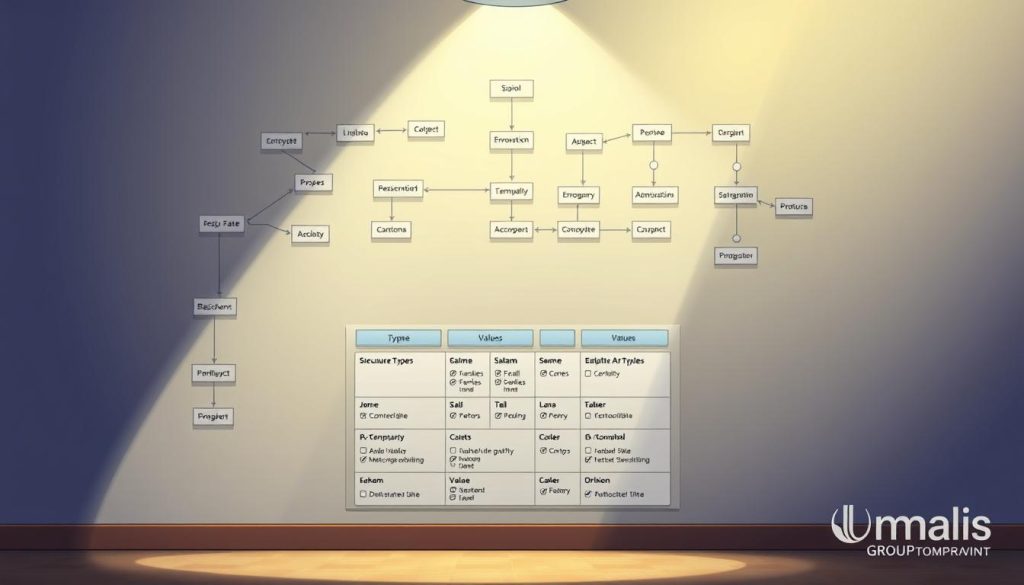
Think of schema markup as giving search engines a detailed map of your content. This special code helps digital assistants understand exactly what your pages offer.
Structured data provides clear context about your business details. It turns basic information into rich, understandable content for algorithms.
Implementing LocalBusiness and Product Schemas
For local businesses, specific schema types work best. LocalBusiness markup shares your address, hours, and contact details automatically.
Product schema displays item availability and pricing clearly. Restaurant schema can highlight menu items and customer reviews effectively.
| Schema Type | Best For | Key Information Shared |
|---|---|---|
| LocalBusiness | Stores, services | Address, phone, hours, area served |
| Product | Ecommerce sites | Price, availability, reviews, specs |
| Restaurant | Food establishments | Menu, cuisine, price range, location |
This markup significantly improves your visibility in spoken results. Assistants can quickly pull accurate details to answer user questions.
Speakable schema indicates which content works best for audio playback. It guides helpers to the most relevant sections for voice responses.
Modern tools make adding this code surprisingly simple. You can implement structured data without deep technical knowledge.
Crafting Natural, Voice-Friendly Content
Great content sounds like a helpful conversation, not a robotic manual. It answers what people ask in a clear and direct way.
Your pages should provide information that is easy to understand. People want quick answers to their questions.
Writing in a Conversational Tone
Use simple words and short sentences. Write like you are talking to a friend.
This approach makes your information feel more welcoming. It matches how people naturally speak.
For example, instead of a formal title, use a question people might ask. This aligns your content with common queries.
Structuring Content with Clear Headings and Lists
Organize your information for easy scanning. Use clear headings that act as questions.
Break down complex ideas into bullet points or numbered lists. This helps users find answers fast.
- Answer common questions directly. Keep explanations under 50 words when possible.
- Add FAQ sections to your pages. They are perfect for targeting multiple questions in one place.
- Keep paragraphs short. One or two sentences make the content digestible.
This structure is not just about keyword density. It’s about creating a better experience for everyone.
Embracing Mobile Design and Accessibility for Voice Users
Accessibility features that help users with disabilities also enhance the experience for everyone using voice technology. This creates a more welcoming digital environment.
Your website should work seamlessly for all visitors. This includes people using assistive technologies.
Adopting a Mobile-First Design
Most voice interactions happen on smartphones. Designing for mobile first ensures your site performs well.
Responsive design adapts your content to any screen size. This provides a consistent experience across devices.
| Design Approach | Mobile-First Benefits | Traditional Limitations |
|---|---|---|
| Layout Strategy | Prioritizes mobile screen space | Desktop-focused, mobile adaptation |
| Performance | Optimized for mobile speeds | May load slowly on phones |
| User Experience | Touch-friendly interfaces | Mouse-oriented design |
| Accessibility | Built-in screen reader support | Accessibility as afterthought |
Key practices include descriptive alt text for images. Clear link labels help both people and algorithms understand your content.
Semantic HTML markup improves content structure. Proper heading tags and lists make information easier to process.
HTTPS security has been a ranking factor since 2014. It protects visitors and builds trust with search engines.
When you combine mobile design with accessibility, you create a site that serves all users effectively.
Conclusion
Success in today’s digital landscape requires thinking about how customers actually find information. The conversational approach we’ve covered helps your business connect with people naturally.
Remember that this isn’t a one-time task. Regular updates keep your website performing well as trends change. Test different queries yourself to see what works best.
The strategies we discussed work together to improve your overall visibility. They help you appear for relevant questions and build stronger customer relationships.
Stay proactive with your approach. Monitor your results and make adjustments as needed. This ensures your business remains competitive and accessible to everyone.
FAQ
Why is voice search becoming so popular?
It’s all about convenience. People use assistants like Siri and Alexa on their phones and smart speakers to get quick, hands-free answers. This trend is growing because it’s faster and feels more natural than typing.
How is a voice query different from a text-based one?
When we type, we use short phrases like « best pizza NYC. » But with speech, we ask full questions like, « Where is the best pizza place near me? » Optimizing for these longer, conversational phrases is key.
What are featured snippets, and why are they important?
Featured snippets are the concise answers that appear at the top of Google’s results. Voice assistants often read these aloud. Securing this spot can dramatically increase your brand’s visibility for spoken queries.
How can I make my content more voice-friendly?
Write like you talk! Use a natural, conversational tone and structure your information with clear headings and bullet points. Answer common questions directly to match how people verbally search for information.
Does my Google Business Profile really matter for voice results?
Absolutely! For local queries like « coffee shop open now, » a complete and optimized Google Business Profile is crucial. It provides the exact details—address, hours, reviews—that voice assistants need to give a useful answer.
What role does website speed play in voice search optimization?
A huge one. If your site loads slowly on mobile devices, both users and search engines will bounce. Fast performance is essential for keeping people engaged and satisfying their need for instant information.