
The professional world has transformed dramatically. The traditional model of fixed hours at a central office is no longer the only path. Today’s environment offers unprecedented autonomy.
Recent years, accelerated by global shifts, have made adaptable arrangements mainstream. This change benefits everyone, especially independent professionals who value control over their schedules and projects.
This guide explores practical solutions for those seeking both freedom and stability. We provide actionable strategies to help you structure a sustainable career. Our focus is on maximizing productivity while protecting your personal well-being.
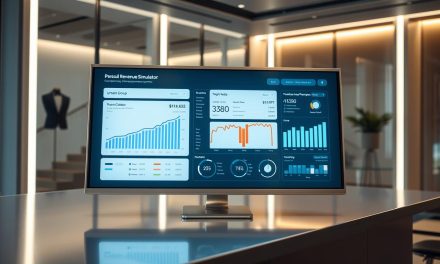
For professionals in France, navigating independence comes with specific considerations. Platforms like Umalis offer essential support. Tools such as their revenue simulator and comprehensive platform provide clarity and security for your journey.
Table of Contents
Key Takeaways
- The concept of workplace flexibility has evolved from a rare perk to a standard expectation.
- Independent professionals now have more control over their time and working conditions than ever before.
- Adopting smart practices is crucial for building a successful and sustainable independent career.
- Modern employment structures create new opportunities for autonomy and professional growth.
- Practical tools and resources are available to help ensure financial stability during your transition.
- This shift represents a fundamental restructuring of professional relationships for the better.
Understanding Work Flexibility in Today’s Work Environment
Modern professional arrangements have shifted from rigid structures to fluid, outcome-based models. This evolution creates new opportunities for independent professionals who manage multiple client relationships.
Defining Key Concepts and Terms
We define workplace flexibility as organizational support for adaptable conditions. This approach recognizes that productivity depends on deliverables, not fixed schedules or locations.
A critical distinction exists between workplace flexibility and individual adaptability. The first involves structural support from organizations. The second describes an employee’s personal capacity for change.
Traditional work-life balance terminology often positions professional and personal life as competing priorities. Contemporary thinking acknowledges their fluid integration. This perspective better serves today’s dynamic professional environment.
Benefits for Independent Professionals and Organizations
Trust forms the foundation of successful flexible arrangements. High-trust cultures enable professionals to perform optimally without excessive oversight. This autonomy leads to enhanced productivity and well-being.
Independent professionals gain expanded client opportunities through adaptable structures. You can design arrangements that align with your personal circumstances and professional goals. This customization represents a significant advantage in today’s competitive landscape.
Organizations benefit from access to broader talent pools when embracing flexibility. Businesses experience increased innovation from empowered, autonomous professionals. These improvements translate to better business results for everyone involved.
Evolving Trends and the Rise of Flexible Work
A fundamental restructuring of how professionals approach their careers is now underway. What began as experimental arrangements in forward-thinking organizations has become standard practice across industries.
Globalized businesses were already adopting non-traditional setups before recent challenges. Remote teams and adaptable schedules represented the cutting edge of professional innovation.
Impact of COVID-19 on Work Arrangements
The pandemic served as an unprecedented catalyst for change. Lockdowns forced all organizations to embrace workplace flexibility regardless of their readiness level.
This acceleration transformed professional expectations permanently. While some companies returned to traditional routines, many employers recognized the benefits of sustained adaptability.
Today’s professionals demand control over their working conditions. As Meg Newhouse from Inspirant Group observes:
« You can’t advertise a job without saying it’s flexible and expect to get high quality applicants. Advertising a position as remote-first is what people are looking for. »
The Great Resignation demonstrated that employees seek greater purpose and autonomy. This movement created exceptional opportunities for independent professionals who inherently offer flexible engagement models.
In France, evolving workplace norms benefit consultants and freelancers. Organizations failing to adapt struggle with talent acquisition, creating advantageous conditions for autonomous professionals.
Work Flexibility: Strategies for Success

Strategic scheduling separates thriving professionals from those merely surviving project to project. We guide you through proven frameworks that transform how you manage client relationships.
Effective approaches focus on deliverables rather than hours logged. This mindset shift creates sustainable patterns for long-term success.
Adopting Flexible Schedules and Remote Work Models
Design your ideal week around your natural productivity rhythms. Compressed arrangements allow you to complete full-time tasks in four days instead of five.
Variable hours accommodate personal commitments while meeting client expectations. Task-based scheduling ensures focus remains on outcomes rather than time spent.
Location independence expands your potential client base significantly. You can engage with organizations globally while maintaining exceptional quality.
Meg Newhouse from Inspirant Group emphasizes trust-based management:
« We’ve never felt like we needed to monitor where people are working or how they’re working or when they’re getting their work done. People just fit the work into their day, just like they fit everything else into their schedule. »
Establish clear communication protocols with each client. This ensures consistent value delivery while preserving your autonomy.
Balance multiple engagements through strategic time blocking. Prevent burnout while maximizing billable hours across all projects.
Develop self-management systems with reliable tracking methods. Boundary-setting practices protect your well-being and professional performance.
Position your adaptable approach as a competitive advantage. Demonstrate how autonomy leads to innovative solutions and superior results.
Crafting Policies for a Flexible Workplace
Policy frameworks provide the structural foundation that enables professional autonomy. For independent contractors, documented guidelines create clarity in client relationships while protecting personal boundaries.
Establishing comprehensive operational parameters ensures sustainable career growth. These frameworks serve dual purposes: guiding your own practice and advising client organizations.
Implementing Flexible Hours, Locations, and Job Sharing
Time management policies should accommodate peak productivity periods while ensuring client availability. Compressed schedules and variable hours balance personal needs with professional commitments.
Location independence expands your operational scope significantly. Define when you operate from home, client offices, or co-working spaces based on project requirements.
Collaborative arrangements like job sharing create unique value propositions. Partner with complementary professionals to offer clients expanded coverage and diverse skill sets.
Unlimited time-off approaches demonstrate mutual trust. As QVest US leadership notes:
« Leadership understands that taking time off to recharge is important for our success and our well-being. We are trusted and empowered to take time off when necessary, as long as we coordinate with our teams to ensure our projects will not be impacted. »
Building Trust-Based Management Practices
Establish clear deliverable expectations that replace traditional supervision. Results-oriented accountability fosters productive partnerships without micromanagement.
Document your operational guidelines and communicate them transparently. This creates mutual understanding about flexible work arrangements that protect autonomy while delivering consistent value.
Platforms like Umalis support policy development through community insights and professional resources. Their tools help independent contractors establish sustainable operational frameworks for long-term success.
Data-Driven Insights on Flexible Work and Employee Well-Being

Recent data from Eurostat reveals significant patterns in how employees control their professional schedules. Statistical evidence provides compelling insights into the current state of workplace autonomy across Europe.
Overview of Eurostat Trends and Statistical Insights
According to 2019 Eurostat data, 60.8% of employed persons had their working time determined by employers. Only 18.1% could fully decide their schedules. Women faced more employer-determined hours (63.9%) than men (58.1%).
European workers enjoy varying levels of daily autonomy. 66.4% found it easy to take one or two hours off during a working day for personal matters. However, 17.2% reported being contacted during leisure time, with 10.1% needing immediate action.
Recent 2022 research shows clear benefits for remote employees. They report higher psychological health (57% vs 49% onsite) and better work-life satisfaction (63% vs 57%). Remote workers also demonstrate greater willingness to give extra effort (60% vs 53%).
These findings validate the advantages that independent professionals typically experience. The data highlights how autonomy contributes to well-being and productivity. Understanding these trends helps you benchmark your own arrangements against European standards.
Inclusive Work Flexibility for a Diverse Workforce
True workplace innovation occurs when arrangements accommodate individual differences. Professionals with varying circumstances require adaptable solutions that respect their unique situations.
We recognize that inclusive environments benefit everyone. Diverse professionals bring valuable perspectives that enhance project outcomes.
Supporting Employees with Disabilities and Caregivers
People with disabilities often find adaptable workplaces particularly beneficial. These arrangements accommodate transportation challenges and health considerations.
Independent professionals can control their workspace and pace. This autonomy increases productivity while supporting well-being.
Caregivers balance professional commitments with family responsibilities. Flexible schedules allow them to meet obligations without compromising career success.
Remote opportunities expand geographic reach significantly. Professionals in regions with limited local options can access broader markets.
Wellness activities and medical appointments integrate seamlessly into adaptable schedules. This approach supports sustainable long-term career development.
Communicate your specific needs professionally to clients. Emphasize how your arrangements enhance deliverable quality and reliability.
Platforms like Umalis provide flexible work arrangements that accommodate various circumstances. Their models maintain professional standards while supporting diverse working styles.
Design your practice to be inclusive and resilient. Recognize that adaptable approaches benefit all professionals and create sustainable career paths.
Real-World Examples of Flexible Working Conditions
Concrete examples from leading companies provide valuable insights into successful flexible working conditions. These case studies demonstrate practical applications you can adapt for your independent practice.
Case Study: Qwick’s Four-Day Workweek
Qwick, a hospitality-staffing platform, implemented a four-day workweek with remarkable results. One team member described the change as « life-changing for me. »
The compressed schedule helps professionals achieve better work-life balance while meeting personal goals. This approach demonstrates how alternative structures can enhance both productivity and well-being.
Case Study: Inspirant’s High-Trust Culture
Inspirant Group operates as a remote-first consulting firm with flexible hours and unlimited PTO. Co-founder Meg Newhouse explains their philosophy:
« We’ve never felt like we needed to monitor where people are working or how they’re working or when they’re getting their work done. People just fit the work into their day, just like they fit everything else into their schedule. »
Their trust-based culture delivers strong business results with continually increasing revenue. This success validates the effectiveness of outcome-focused management.
Other innovative practices include mental health days and company-wide offline periods. Forma offers « Recharge Days » while Front implements weekly « unreachable days » to prevent communication overload.
Cox Enterprises’ « Cox Gigs » program enables cross-department secondments for career growth. Employees develop new skills without leaving their primary roles, illustrating flexibility in professional development.
These examples show how clear communication and trust-based cultures create sustainable working conditions. You can apply these principles to design your own optimal arrangements.
Overcoming Challenges in Implementing Flexible Work Practices
Navigating the transition to adaptable professional models requires addressing specific implementation hurdles. Independent professionals often face unique obstacles when establishing sustainable arrangements with clients.
Effective management in remote environments demands intentional connection rather than surveillance. Meg Newhouse emphasizes this distinction:
« If you’re not in a traditional office where you could just stop by someone’s desk or bump into them in the kitchen, you have to be more intentional about these virtual check-ins. »
Regular communication maintains alignment without creating excessive oversight. Focus check-ins on well-being and progress rather than monitoring activities.
Managing Supervision without Micromanagement
Establish clear outcome-based accountability with each client. Define deliverables and timelines explicitly to build trust through consistent performance.
Prevent boundary blurring by setting specific availability hours. Create physical and temporal separation between professional and personal spaces.
| Common Challenge | Impact on Professionals | Practical Solution |
|---|---|---|
| Feeling disconnected from organizational mission | 58% remote vs 65% onsite feel they make difference | Request regular context updates and impact reports |
| Communication overload | 17.2% report being contacted during leisure time | Establish urgent vs routine communication protocols |
| Perception of advancement limitations | Remote employees 6% less likely to believe promotions fair | Document achievements and proactively share successes |
Demonstrate your value through quality deliverables and proactive updates. Position your adaptable approach as a strategic advantage rather than a limitation.
Explore comprehensive workplace flexibility solutions that support sustainable independent careers. These frameworks help maintain professional standards while preserving autonomy.
Conclusion
This guide has illuminated the transformative potential of adaptable professional models. The evidence confirms that modern arrangements represent a fundamental shift in how careers are structured, not just a temporary trend.
You now possess comprehensive strategies to build sustainable independent practices. These approaches deliver measurable benefits including enhanced well-being, productivity, and professional growth. Success hinges on trust-based relationships and clear communication.
For professionals in France, platforms like Umalis provide essential support for navigating autonomous career models. Their revenue simulator and comprehensive resources help you achieve the optimal balance between autonomy and security for long-term success.
FAQ
What is the main difference between flexible hours and remote work?
Flexible hours allow employees to choose their start and end times, often within a set range. Remote work refers to performing job duties from a location other than the main office, such as from home. These arrangements can be combined for maximum autonomy.
How can adopting flexible practices benefit my business?
Implementing these strategies can lead to higher employee satisfaction, reduced turnover, and often increased productivity. It allows your organization to attract top talent who value modern working conditions and a better work-life balance.
What are some effective management practices for supervising remote teams?
Focus on outcomes rather than hours logged. Use clear communication channels and set measurable goals. Trust-based management, with regular check-ins, ensures employees fully contribute without feeling micromanaged, fostering a positive environment.
Are there specific policies that support employees with caregiving responsibilities?
Yes. Policies like flexible schedules, compressed workweeks (e.g., four-day weeks), and generous paid time off are crucial. These arrangements help caregivers manage their time effectively, supporting a diverse and inclusive workforce.
How did the COVID-19 pandemic permanently change workplace flexibility?
The pandemic accelerated the adoption of remote and hybrid models, proving that many tasks can be done effectively outside the traditional office. This shift led to a lasting cultural change, with more organizations now offering various arrangements as standard.
Can you give an example of a company that successfully implemented a four-day workweek?
Qwick, a platform for hospitality professionals, transitioned to a four-day workweek. They reported maintained productivity and significantly improved employee well-being, demonstrating that innovative schedules can benefit both the business and its workers.