

Did you know that 72 million Americans now operate as independent professionals? This massive shift is fundamentally changing the business landscape. Companies are rapidly moving toward flexible, project-focused models to stay competitive.
This modern approach organizes tasks around specific goals with clear deadlines. Unlike traditional roles, it has a defined beginning and end. The average employee tenure has dropped to just 4.1 years, highlighting this trend.
For many individuals, this structure offers greater autonomy. It allows professionals to apply their skills to diverse challenges. However, this freedom requires a strong ability to manage time and resources effectively.
Staying organized is the key to success in this environment. Whether you’re a freelancer or a business owner, mastering these skills is crucial. This guide will show you how to thrive, covering everything from planning to tools. We’ll even explore principles from major undertakings like the Burj Khalifa’s construction.
Adopting the right strategies can lead to remarkable outcomes. It’s about creating a system that works for you, ensuring you deliver quality results every time. For more on building a secure foundation in this field, explore our guide on achieving security and success.
Table of Contents
Key Takeaways
- The business world is shifting towards project-focused models for greater flexibility.
- Clear organization is essential for managing tasks with specific deadlines.
- Effective time management skills are crucial for independent professionals.
- Strategic planning helps in navigating multiple assignments successfully.
- Using the right tools can significantly boost productivity and outcomes.
- Learning from large-scale projects provides valuable insights for any industry.
Understanding Project-Based Work
Companies worldwide are embracing a more dynamic approach to accomplishing their business objectives. This method organizes efforts around specific initiatives with clear boundaries and measurable outcomes.
The project-based model centers on five key characteristics. Each initiative has a defined timeline with specific start and end dates. Teams focus on achieving concrete goals through collaborative problem-solving. Experts join based on required skills, and success gets measured against predetermined metrics.
Traditional employment differs significantly from this approach. Consider how major undertakings like the Burj Khalifa construction operated:
| Aspect | Traditional Roles | Project-Based Approach |
|---|---|---|
| Duration | Ongoing, indefinite | Time-bound, specific endpoints |
| Focus | Broad responsibilities | Specific deliverables |
| Team Structure | Fixed roles | Skill-specific collaboration |
| Budget Impact | Long-term commitments | Cost-effective for short-term needs |
This flexible system reduces dependency on unstable long-term positions. Organizations can assemble ideal talent for each initiative rather than maintaining full-time staff for every function. With average employee tenure dropping to 4.1 years, this adaptability proves crucial.
Understanding these fundamental differences provides the foundation for implementing effective organizational strategies. The temporary nature of projects allows both professionals and companies to respond quickly to market changes.
Foundational Elements of Project Success
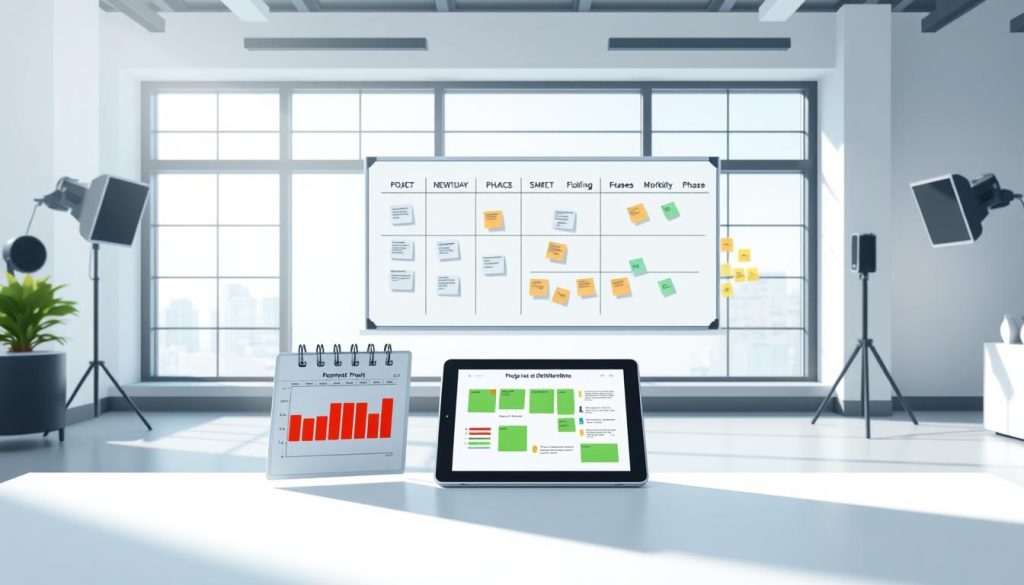
Every successful project begins with a solid foundation built on three essential pillars. Clear objectives, a well-defined scope, and specific deliverables create the roadmap for your entire effort. Getting these elements right from the start prevents confusion and keeps your team aligned.
Defining Scope, Objectives, and Deliverables
Project objectives answer the « why » behind your work. They define the specific goals you aim to achieve. This clarity ensures every team member understands the purpose and intended impact.
The project scope outlines the boundaries of your work. It clearly states what is included and, just as importantly, what is excluded. This prevents scope creep and manages stakeholder expectations effectively.
Deliverables are the tangible results your project will produce. They should be specific and measurable. Everyone should know exactly what success looks like when these deliverables are completed.
Collaborating with stakeholders to document these elements is crucial. A project charter formalizes this foundation. This step is vital to unlock the advantages of project-based employment fully.
Establishing Project Milestones
Milestones act as checkpoints throughout your project’s lifecycle. They represent significant achievements that help track progress. These markers keep your team motivated and on schedule.
Breaking a large project into smaller phases with clear milestones makes it manageable. Each milestone should have specific criteria and deadlines. This approach allows for early problem detection and regular celebration of progress.
Consider the Burj Khalifa construction, which was divided into phases with clear targets. This meticulous planning enabled the team to track 22 million work hours effectively. Your projects can benefit from the same disciplined approach.
Strategic Project Management Approaches
Strategic management transforms complex initiatives into achievable steps. This systematic approach ensures every aspect receives proper attention from start to finish. Good management makes the difference between smooth execution and constant firefighting.
Planning, Timeline, and Budget Considerations
Creating a comprehensive project plan is your first crucial step. This document becomes your roadmap, outlining tasks, timelines, and resource allocation. Effective managers collaborate with their team to break down large goals.
Visual tools like Gantt charts help everyone understand sequences and dependencies. They provide real-time progress tracking throughout the project lifecycle. This clarity keeps teams aligned and motivated.
Budget development requires careful estimation of all costs. Consider both direct expenses and indirect overhead. Accurate financial planning prevents unexpected challenges later.
Feasibility Studies and Risk Assessments
Before committing resources, conduct thorough feasibility studies. These evaluations examine technical, operational, and economic viability. They help determine if a project is truly achievable.
Risk assessment identifies potential obstacles early in the process. Look for budget overruns, resource constraints, and external factors. Proactive identification allows managers to develop mitigation strategies.
A three-layer risk model helps address issues before they escalate. This preparation significantly increases your project’s success rate. Proper planning turns potential challenges into manageable situations.
Effective Communication in Project-Based Work
Strong communication acts as the central nervous system for any successful project. Without clear channels, even well-planned initiatives can quickly derail through misunderstandings and delays.
Communication serves four vital purposes in project environments. It ensures everyone understands objectives and expectations clearly. This alignment prevents confusion and keeps the team focused on common goals.
Timely problem identification becomes possible when communication flows freely. Teams can address challenges before they escalate. Regular updates also keep stakeholders engaged and supportive throughout the lifecycle.
Setting Clear Communication Channels
Establish dedicated channels for different communication needs. Use team meetings for updates and alignment. Email works well for formal documentation, while tools like Slack enable real-time collaboration.
Managers should define each member’s communication responsibilities clearly. This eliminates confusion about who to contact for specific information. It streamlines information flow and reduces unnecessary back-and-forth.
Feedback, Collaboration, and Stakeholder Engagement
Effective techniques include active listening and honest dialogue. Emphasize clarity and respect in all interactions. Visual aids like charts can enhance understanding during complex discussions.
Regularly update project documentation to maintain a single source of truth. This ensures everyone accesses current plans and progress reports. For hybrid teams across time zones, weekly sync meetings using Zoom or Teams keep distributed members aligned.
Foster a culture that encourages feedback and idea sharing. This builds trust and creates shared responsibility for project success. Team members feel comfortable expressing concerns that might prevent future problems.
Managing Orders and Resource Allocation

Effective resource allocation and order management are the unsung heroes of project execution, ensuring the right materials arrive at the right time. Even the most brilliant plan fails without proper control over the equipment, services, and supplies needed for daily tasks. This logistical backbone keeps operations smooth and outcomes on schedule.
Vendor Management and Inventory Tracking
Order management is the systematic process of receiving, processing, and fulfilling requests for goods or services. Start by establishing a centralized system. This could be dedicated procurement software or a well-organized shared spreadsheet.
A strong system provides three key benefits:
- Streamlined processing for all project needs
- Comprehensive tracking from request to delivery
- Clear documentation that prevents lost orders
Define clear procedures for placing, reviewing, and approving orders. Assign specific roles to team members, including project managers and finance personnel. This clarity eliminates confusion and speeds up the entire process.
Maintain updated inventory records to avoid unexpected shortages. Regularly track all project-related materials. This proactive approach ensures necessary resources are always available.
Building strong relationships with reliable vendors is crucial. Conduct research to find suppliers who meet your quality and timeline requirements. Negotiate favorable terms on pricing and delivery schedules to protect your project’s budget and timeline.
Finally, implement a system for real-time order visibility. Regular communication with your vendors helps you monitor progress and quickly address any delays. This vigilant management of resources is fundamental to staying on track and within budget.
Leveraging Innovative Tools and Techniques
The right software can transform chaotic workflows into streamlined, efficient processes. Digital solutions have revolutionized how teams coordinate efforts and track accomplishments.
Modern platforms offer unprecedented visibility into every aspect of execution. They eliminate guesswork and provide concrete data for informed decision-making.
Utilizing Project Management Software
Contemporary management tools like Asana and Trello centralize all project information. They feature intuitive dashboards that organize tasks by priority and deadline.
These platforms automate routine administrative work, freeing teams to focus on creative solutions. Document sharing, time tracking, and communication channels integrate seamlessly.
Choosing the right software requires evaluating your team’s specific needs. Consider ease of use, integration capabilities, and scalability. Proper training ensures everyone maximizes these powerful freelance management resources.
Real-Time Progress Tracking and Reporting
Visual representations make complex project plans understandable at a glance. Team members see how their contributions fit into the bigger picture.
Key performance indicators (KPIs) like deliverable completion rates provide measurable insights. AI forecasting tools predict resource needs and identify potential bottlenecks.
Weekly sync meetings using platforms like Zoom keep distributed teams aligned. This real-time coordination is essential for maintaining momentum and adapting quickly.
Flexibility and Agility in Project Execution
Organizational agility separates thriving companies from those struggling to keep pace. In today’s rapidly changing business environment, the ability to adapt quickly to market shifts determines success. This flexibility allows teams to seize new opportunities as they emerge.
The project-based model offers significant advantages over traditional employment structures. Companies can scale teams up or down based on current needs. This approach eliminates the constraints of rigid organizational hierarchies.
Adapting to Market Changes and New Opportunities
Leading companies like Deloitte champion adaptable team structures that reconfigure quickly. A PWC report shows 70% of executives expect AI to redefine roles. This requires focusing on outcomes rather than fixed job descriptions.
Cross-functional teams bring diverse perspectives to complex challenges. They combine internal staff with external specialists. This dynamic environment fosters innovation and creative problem-solving.
| Aspect | Traditional Structure | Agile Approach |
|---|---|---|
| Team Composition | Fixed roles and departments | Skill-based temporary teams |
| Response Time | Slow hierarchical decisions | Quick pivots based on market changes |
| Resource Allocation | Long-term fixed costs | Variable costs matching project needs |
| Innovation Capacity | Limited to internal expertise | Access to global specialist networks |
Building organizational agility requires developing processes for quick pivots. Maintain flexible resource pools that deploy rapidly. Create a culture that embraces change rather than resisting it.
With 72 million independent professionals available, businesses can fill role gaps efficiently. This combination of internal knowledge and external expertise creates powerful synergies. The result is a responsive organization ready for whatever the market brings.
Optimizing Project-Based Work for Maximum Productivity
Achieving peak performance in temporary engagements means mastering the art of prioritizing daily activities while keeping sight of broader objectives. This optimization process involves continuous refinement of how assignments are organized and executed.
For individuals, this approach offers tremendous growth opportunities. Professionals develop valuable leadership and problem-solving skills that contribute to long-term career success. Exposure to diverse industries creates adaptable experts with broad knowledge bases.
Balancing Long-Term Goals with Short-Term Tasks
Maintaining focus on strategic objectives while managing immediate tasks requires disciplined planning. Create systems that align daily activities with overarching goals for consistent results.
This structured environment naturally promotes accountability. Progress gets monitored against predefined criteria, creating clear expectations. Measurable outcomes benefit both professionals and organizations.
| Approach | Traditional Method | Optimized Strategy |
|---|---|---|
| Skill Development | Limited to single employer | Cross-industry exposure |
| Talent Access | Slow hiring processes | Platforms like Upwork ($3.8B market) |
| Team Structure | Fixed internal teams | Hybrid models (Cisco: 22% boost) |
| Onboarding Speed | Weeks or months | FlexTeam’s 48-hour model |
Accessing specialized talent has never been easier. Networks like MBO Partners connect businesses with 72 million professionals. This on-demand expertise accelerates project timelines significantly.
Develop clear playbooks that define escalation paths and integration protocols. AI-driven platforms can forecast resource gaps before they impact productivity. These strategies ensure optimal results from every engagement.
Conclusion
As traditional career paths evolve, a more dynamic model of professional engagement is taking center stage. With 72 million independent professionals and 31% cost savings potential, this approach represents a fundamental shift in how we achieve success.
Portfolios now matter more than resumes, emphasizing demonstrated expertise over traditional credentials. This environment sharpens critical thinking and adaptability—essential skills for thriving in today’s workforce.
Organizations should build talent benches using vetted networks like MBO Partners. Blending internal staff with contract specialists creates hybrid teams that combine institutional knowledge with fresh perspectives.
Tools like Asana and PMI certifications streamline collaboration while AI continues reshaping team operations. The momentum behind this model is undeniable, driving innovation across industries.
Start applying these strategies today to position yourself for long-term growth. Mastering project-based approaches leads to greater organization, productivity, and professional achievement.
FAQ
What are the main benefits of using a project-based model for businesses?
This approach offers great flexibility and cost control. Companies can tap into specialized talent for specific goals without long-term staffing expenses. It allows for a sharp focus on driving innovation and achieving clear results for each unique initiative.
How do I set clear objectives and deliverables for a new initiative?
Start by defining the specific needs and desired outcomes. Clearly outline what success looks like and what tangible items will be produced. This clarity helps the entire team understand the goals and keeps progress on track toward the final milestones.
What is the importance of a feasibility study before starting?
A feasibility study helps assess potential challenges and risks early on. It examines if the goals are achievable within the given budget and timeline. This step is crucial for smart planning and helps avoid unexpected hurdles down the road.
How can better communication improve collaboration on these types of efforts?
Open communication channels keep everyone aligned. Regular updates and feedback loops ensure that stakeholders are engaged and any issues are addressed quickly. Good collaboration is the backbone of a smooth process and overall success.
What tools are most helpful for managing resources and tracking progress?
Modern project management software provides real-time visibility into tasks and resource allocation. These tools help managers track progress, manage inventory, and generate reports, making it easier to stay organized and agile.
Why is flexibility so important in today’s fast-paced market?
Markets and opportunities change rapidly. The ability to adapt your approach allows a business to pivot when needed, seize new growth opportunities, and manage risks effectively. This agility is key to maintaining a competitive edge.