
In today’s creative economy, your first impression is often digital. A professional online portfolio acts as your global storefront. It is open 24/7 for potential clients and employers everywhere.
This dynamic portfolio website lets you present your best work and tell your unique story. It goes beyond a simple resume. For photographers, designers, and other creatives, it is essential for competing in the modern world.
A well-crafted digital portfolio builds credibility and attracts quality opportunities. It is a powerful tool for career advancement. This guide will show you how to build and optimize your own site to showcase work effectively.
You will learn to choose the right platform and design a compelling portfolio website. We will also cover search engine optimization and turning visitors into clients.
Table of Contents
Key Takeaways
- A professional online presence is crucial for making a strong first impression.
- Your portfolio website serves as a dynamic, always-open digital storefront.
- It is an essential tool for creative professionals to compete globally.
- A well-designed portfolio builds credibility and attracts better opportunities.
- This guide provides a comprehensive plan for creating and optimizing your portfolio.
Introduction to the Digital Portfolio Landscape
Gone are the days of bulky physical binders and printed materials for showcasing creative work. The landscape has shifted dramatically to sophisticated digital portfolios. These dynamic presentations offer interactivity and global accessibility.
Over the past decade, new technologies have made it easier than ever for creatives to build professional sites. You no longer need coding skills or a large budget. Numerous platform providers now compete to serve photographers, designers, and artists.
Understanding this evolution is key to making smart choices for your career. The table below highlights the major shifts.
| Aspect | Traditional Portfolio | Modern Digital Portfolio |
|---|---|---|
| Access | In-person only | Global, 24/7 via link |
| Content | Static prints | Multimedia integration |
| Audience | Limited, local | Unlimited, worldwide |
| Update Ease | Costly and slow | Instant and free |
Today, a digital presence is the expected standard. Clients and employers often request a link as a first step. For a deeper dive into building a compelling collection, explore these freelance portfolio essentials.
Choosing the right tools and approach depends on your specific goals. A well-informed decision will best serve your creative career.
Understanding the Value of a Digital Portfolio
For creative professionals, a digital showcase represents more than just a collection of projects—it’s a strategic business asset. This powerful tool transforms how you present your capabilities to the world.
Benefits for Creative Professionals
A well-crafted digital collection puts you in complete control of your narrative. You choose which pieces to highlight and how to present them. This curated approach lets you demonstrate your finest skills in the most compelling way.
Your showcase builds immediate credibility with potential clients. Visible results and concrete examples prove your expertise far better than any resume. This professional presentation often justifies premium pricing for your services.
Financial advantages extend beyond direct client work. Integrated e-commerce features can create additional revenue streams. Booking systems turn your site into a 24/7 lead generation machine.
Expanding Your Market Reach
Geographic limitations disappear with a digital presence. Your work becomes accessible to clients and collaborators worldwide. This global reach dramatically expands your business opportunities.
Unlike social media platforms, you maintain full ownership of your professional image. Algorithm changes won’t limit your visibility. Your site serves as a stable hub that integrates with but doesn’t depend on external platforms.
This independence ensures consistency in an ever-changing digital landscape. You control the message and the medium, building a lasting professional foundation.
Key Features of a Modern Online Portfolio
Today’s leading portfolio builders provide an integrated ecosystem of tools that streamline the creation and optimization process. These platforms offer specialized features that distinguish them from generic website builders.
Customizable Templates and Designs
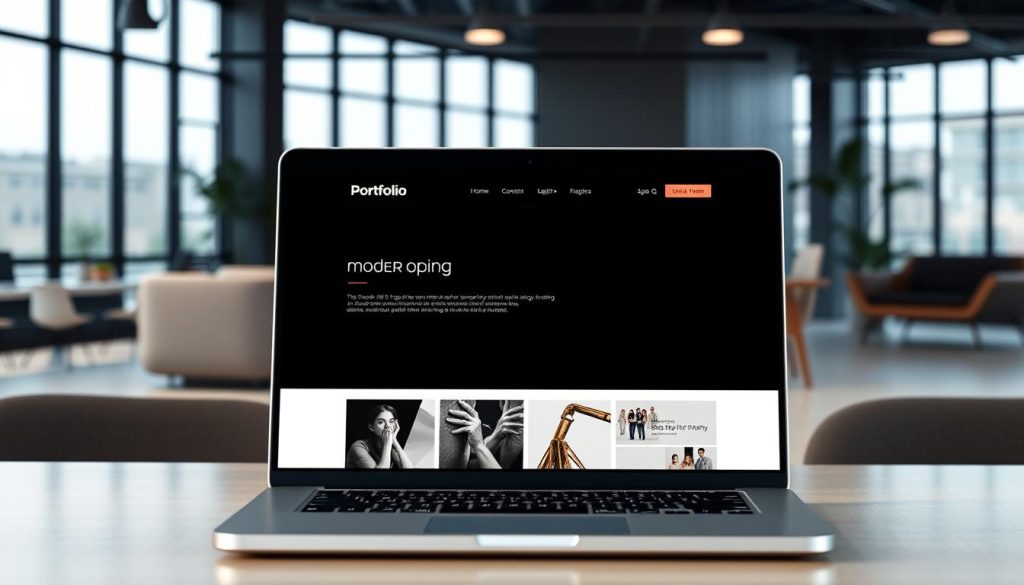
Modern platforms provide hundreds of professionally crafted templates specifically for creative work. You can choose from diverse designs and layouts that showcase different types of projects effectively.
The customization options allow extensive modifications without coding. Many platforms let you mix template elements to create a unique design. This flexibility ensures your site reflects your personal brand identity perfectly.
Built-In SEO and Mobile Optimization
Search engine optimization is built directly into these platforms. They include tools for meta tags, clean URLs, and automatic sitemap generation. This helps your portfolio website rank higher in search results.
Mobile responsiveness is automatic. Platforms like Wix create mobile-friendly versions using your desktop content. Your site looks professional on all devices without extra work.
These essential features work together to create a high-performing portfolio website. They ensure both visual appeal and technical excellence for your creative presentation.
How to Create an Online Portfolio
Building your professional showcase begins with a clear, actionable plan that transforms your creative work into a compelling digital presence. The process is surprisingly straightforward with modern tools.
You have two main approaches to consider when planning your website creation journey. Each offers distinct advantages depending on your technical comfort level and time constraints.
| Approach | DIY Coding | Platform Builder |
|---|---|---|
| Time Required | Weeks to months | Under 60 minutes |
| Technical Skills | Advanced coding needed | No experience required |
| Customization | Complete control | Template-based flexibility |
| Maintenance | Ongoing technical updates | Automated by platform |
The most successful digital showcases start with thoughtful organization before any technical steps begin.
To make portfolio creation efficient, follow this proven sequence. First, select a template that aligns with your creative style. Platforms offer hundreds of professional designs.
Next, upload your best work and organize it into coherent projects. This storytelling approach guides visitors through your capabilities. Customization comes next—adjust colors, fonts, and layouts to match your brand.
The final technical step involves domain selection and publishing. Many platforms include hosting, making this process seamless. Your website goes live instantly.
Remember that your initial launch is just the beginning. Regular updates based on feedback and new work keep your presentation fresh and effective.
Exploring Top Portfolio Website Builders
The selection of a website builder represents one of the most critical decisions for any creative professional establishing their digital presence. Different platforms offer unique strengths tailored to various creative needs and technical skill levels.
Wix stands out as a comprehensive portfolio builder for most creators. This all-in-one service combines intuitive drag-and-drop editing with hundreds of professional templates. The platform includes hosting, domain management, and e-commerce capabilities.
For specialized creative needs, Portfoliobox offers tools specifically designed for photographers, designers, and artists. This portfolio maker provides extensive gallery options and templates optimized for visual presentations. The service operates in 165 countries with strong user satisfaction ratings.
Independent reviews confirm these platforms’ quality. Portfoliobox earns 4.3/5 on G2, 4.4/5 on Trustpilot, and 4.7/5 on Software Finder. These scores reflect real user experiences with the builder’s performance and reliability.
Choosing between general and specialized portfolio website platforms involves important trade-offs. Consider your technical comfort, feature requirements, and long-term goals. The right portfolio maker should grow with your career while showcasing your work effectively.
Evaluate each builder’s learning curve, pricing structure, and scalability options. Your ideal platform balances ease of use with the professional features you need to stand out in competitive creative markets.
Tips for Customizing Your Portfolio Website
Customization separates a standard website from a memorable brand experience that truly represents you. This process transforms generic templates into distinctive digital spaces that reflect your creative vision.
Modern platforms make customization accessible through intuitive admin panels. You can edit pages, adjust text, and modify visuals with instant previews. All changes reflect immediately on your live site.
Personal Branding and Visual Style
Consistency builds recognition across your entire website. Maintain a unified color palette, typography, and spacing patterns. These elements create cohesive user experiences.
Your visual identity should communicate your professional personality. Choose design motifs that align with your creative specialty. Every detail contributes to your brand story.
| Visual Element | Branding Importance | Best Practices |
|---|---|---|
| Color Scheme | Creates emotional connection | Limit to 3-4 primary colors |
| Typography | Enhances readability and style | Use maximum two font families |
| Spacing | Improves visual hierarchy | Consistent margins and padding |
| Imagery Style | Reinforces creative identity | Uniform filters and compositions |
Incorporating High-Quality Images and Videos
Visual content forms the core of any creative portfolio. Use high-resolution images that load quickly through proper compression. Balance quality with performance.
Gallery layouts should showcase your work effectively. Organize images to tell compelling project stories. Add motion effects and animations to enhance engagement without coding.
Video content demonstrates skills dynamically. Keep clips concise and professionally edited. Optimize file formats for smooth playback across devices.
Selecting the Best Portfolio Templates for Creatives
Choosing among hundreds of portfolio templates requires careful consideration of your specific needs. The right selection frames your work effectively for your target audience.
Different creative fields benefit from specialized layouts. Photographers need templates that emphasize large imagery with clean backgrounds. Designers often prefer formats showcasing process development and concept evolution.
Consider template structure carefully. Single-page designs deliver immediate impact for concise presentations. Multi-page templates allow deeper storytelling through project case studies.
Evaluate quality by testing navigation intuitiveness and mobile responsiveness. Look for clear project organization that guides visitors naturally through your work.
Assess customization flexibility before committing. Some templates offer impressive designs but limited editing options. Test with your actual work samples during preview.
Platforms like Portfoliobox provide specialized options for various disciplines. These include photography, architecture, illustration, and music templates. Each serves distinct presentation needs for creatives.
The ideal template complements your style without overwhelming your work. It should enhance your projects while maintaining fast loading speeds across devices.
For designers and other creatives, template selection impacts first impressions significantly. Choose one that aligns with your professional goals and audience expectations.
Leveraging AI and Automation in Portfolio Creation
Modern portfolio creation has entered an exciting new era with AI-powered automation. These intelligent tools transform hours of work into a process that takes just minutes. You describe your style and goals to the AI website builder.
The system generates a complete, tailored portfolio ready to publish. You can use it as-is or customize every element. This approach represents the most efficient way to build a professional presence.
Upload your images and let AI automatically organize your work. The technology analyzes visual content and creates logical projects with descriptive titles. It even writes initial project descriptions based on what it sees.
These AI tools handle time-consuming organizational tasks. They serve as creative assistants rather than replacements. This lets you focus on refining your presentation instead of technical details.
Advanced customization happens without writing a single line of code. Add motion effects and animations through simple drag-and-drop interfaces. The no-code approach makes sophisticated design accessible to everyone.
Ongoing AI assistance helps with SEO optimization and content creation. The system suggests improvements based on user behavior data. Your portfolio becomes smarter over time while maintaining your unique creative voice.
Designing for Mobile: Responsive and Adaptive Layouts
Mobile devices now dominate how people access the internet, making responsive design essential. More than half of web traffic comes from smartphones and tablets. Your professional presentation must deliver an excellent experience on every screen size.
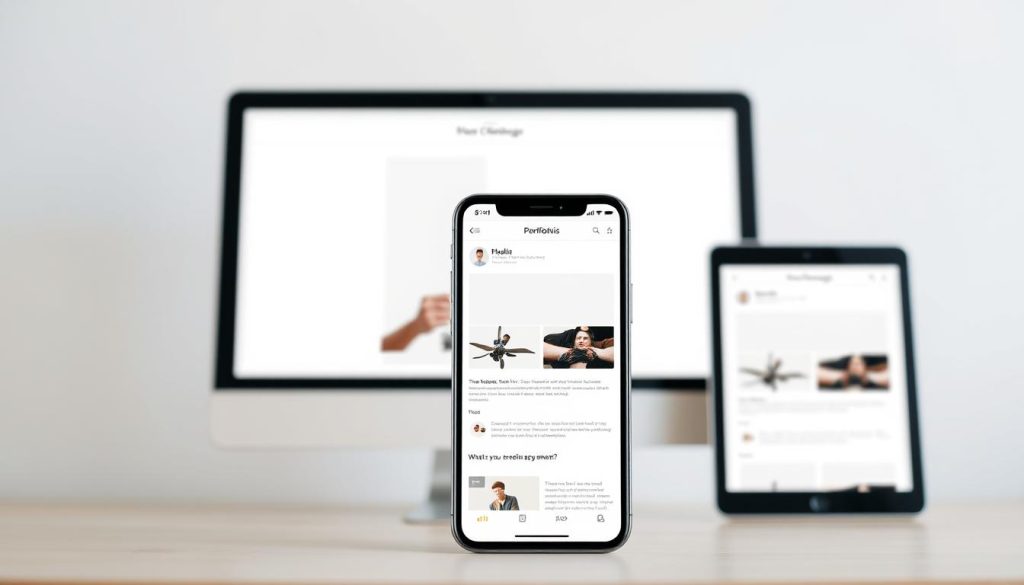
Modern platforms like Wix automatically create mobile-friendly versions of your website. They adapt your desktop designs to smaller screens while maintaining visual appeal. You can further customize the mobile experience using integrated editors.
Optimizing User Experience on All Devices
Understanding the difference between responsive and adaptive layouts helps you create better designs. Responsive design uses flexible layouts that fluidly adjust to any screen size. Adaptive design creates specific layouts optimized for different device breakpoints.
Both approaches ensure your site looks fantastic on smartphones and tablets. Simple navigation and fast loading are crucial for mobile experience. Touch-friendly buttons and optimized images improve usability on cellular connections.
Testing your website across multiple devices confirms consistent quality. Use actual devices and browser tools to check every page. This mobile adaptability directly impacts search rankings since Google prioritizes mobile-friendly sites.
Integrating E-commerce and Booking Features
Beyond displaying your artistic talents, modern websites can serve as comprehensive business hubs that directly generate income. These platforms transform your creative showcase into an active revenue stream.
Add an online store to sell both physical and digital products. You can offer prints, merchandise, or digital templates featuring your designs. The checkout process integrates seamlessly into your website.
Customers can pay with credit cards, PayPal, or invoices. This flexibility accommodates different transaction preferences. The system handles everything from your portfolio website.
Service-based creatives benefit from integrated booking features. Clients can schedule appointments directly through your site. You manage availability calendars and receive payments instantly.
Offer events, classes, or consultations while controlling seat availability. The scheduling solution works without redirecting clients to external platforms. Everything happens within your professional presentation.
This centralized approach provides significant strategic advantages. You manage all business operations from one platform. The integration reduces friction between showcasing work and converting visitors into paying customers.
Enhancing Your Online Visibility with SEO Tools
Modern portfolio platforms integrate sophisticated SEO tools that simplify the technical complexities of search optimization. These built-in features make professional search visibility accessible without requiring specialized expertise.
Essential optimization elements work automatically behind the scenes. Platforms generate clean URL structures and comprehensive sitemaps. They also optimize image alt text and maintain proper heading hierarchies.
| SEO Feature | Platform Benefit | User Action Required |
|---|---|---|
| Meta Tag Generation | AI creates optimized titles and descriptions | Review and customize suggestions |
| Search Console Integration | Monitor indexing status and performance | Connect your Google account |
| Content Analysis | Real-time optimization recommendations | Implement suggested improvements |
AI-powered assistants analyze your content and generate optimized meta tags instantly. They provide specific recommendations to enhance your site‘s search performance. Integration with professional tools like Semrush offers competitive insights.
Optimizing project descriptions with relevant keywords improves discoverability. Structuring your about page to answer common queries attracts targeted traffic. These freelance portfolio essentials help maintain consistent search visibility as algorithms evolve.
SEO represents an ongoing process rather than a one-time setup. Continuous monitoring and analysis ensure your portfolio site remains competitive in search results over time.
Utilizing Marketing Tools to Expand Your Reach
The true power of your digital showcase emerges when integrated marketing tools connect your work with precisely targeted audiences. These platforms transform your static presentation into an active business generator.
Modern website builders include comprehensive marketing suites. They help you attract the right people who appreciate your creative vision.
Integrating Social Media and Digital Ads
Connect your social media accounts directly to your website. This creates seamless updates across platforms like Instagram and LinkedIn. Your branding stays consistent everywhere.
Run targeted advertising campaigns from your dashboard. Google Ads and social media promotions reach specific demographics. You can focus on people who need your services.
Email marketing features build subscriber lists through contact forms. AI-powered tools create professional campaigns with single prompts. Automated sequences nurture leads into paying clients.
Strategic calls-to-action guide visitors toward next steps. Clear contact buttons and inquiry forms make conversion effortless. Analytics reveal which marketing efforts deliver the best results.
This integrated approach ensures your creative work reaches the clients who value it most. Data-driven optimization improves your strategy over time.
Managing Content and Galleries Effectively
A centralized dashboard transforms how creative professionals manage their evolving body of work. This single interface handles all your projects, media assets, and client contacts efficiently.
Specialized gallery tools offer multiple display options to showcase your work effectively. Choose from grid layouts, masonry arrangements, or full-screen presentations.
| Gallery Type | Best For | Visual Impact |
|---|---|---|
| Grid Layout | Consistent image sizes | Clean, organized presentation |
| Masonry Arrangement | Varied image dimensions | Dynamic, flowing display |
| Full-Screen Slideshow | Highlighting individual pieces | Maximum visual immersion |
Organize your work into projects by category, client, or chronology. This helps visitors quickly understand your creative range. Bulk upload capabilities handle large image files effortlessly.
Maintain portfolio freshness by regularly updating featured projects. Archive older work while highlighting recent accomplishments. This demonstrates continuous growth to potential clients.
Effective content management extends beyond images to include text updates and service modifications.
Update your about page and service descriptions through intuitive admin panels. No technical knowledge is required for these ongoing improvements. Your creative presentation stays current and compelling.
Ensuring Seamless Hosting and Security
Your creative presentation requires a foundation of technical excellence that operates invisibly. Professional platforms provide enterprise-grade hosting infrastructure that keeps your website accessible and secure.
Uptime guarantees ensure your site remains available to potential clients. Services like Wix offer 99.99% reliability through multi-cloud hosting. This prevents career damage from downtime during critical moments.
Security features protect your digital presence comprehensively. SSL/HTTPS encryption secures data transmission between visitors and your site. DDoS protection defends against malicious attacks with multiple layers.
Continuous monitoring identifies threats proactively. Automatic backups prevent data loss from technical issues. Your website maintains protection without requiring your technical management.
| Hosting Feature | Creative Professional Benefit | Technical Requirement |
|---|---|---|
| Global CDN | Fast loading for international clients | Automatic configuration |
| GDPR Compliance | Legal protection for European visitors | Built-in privacy tools |
| Automatic Backups | Project safety against data loss | Zero maintenance needed |
Performance optimization happens automatically through content delivery networks. CDNs serve your content from servers close to visitors worldwide. This ensures fast loading for image-heavy creative presentations.
Compliance features handle data privacy requirements across jurisdictions. The platform manages cookie consent and visitor information appropriately. This service eliminates legal concerns for international audiences.
Your hosting solution comes integrated with your creative platform. This allows complete focus on your work rather than technical infrastructure. Publishing happens effortlessly through simple admin panels.
Success Stories from Creative Professionals
The proof of portfolio effectiveness lies in the inspiring journeys of artists, photographers, and designers who have built thriving careers. These real-world examples demonstrate how strategic digital presentations transform creative businesses.

Photographers like Martin Stranka and Christina DeOrtentiis showcase their photography expertise to global audiences. Their compelling visual portfolios secure commercial assignments worldwide.
| Creative Professional | Field | Key Achievement | Geographic Reach |
|---|---|---|---|
| Inès Riquelmé | Illustrator | Unique style recognition | International clients |
| Thomas Turian | Stylist | High-profile collaborations | 165 countries served |
| Sophie White | Hair & Makeup | Premium client bookings | Global service network |
| Shinyoung Kim | Designer | Brand partnerships | Cross-cultural projects |
Designers and illustrators communicate their distinctive creative vision through effective portfolios. This attracts ideal clients who value their unique styles and approaches.
Service-based creatives demonstrate their expertise through visual proof of capabilities. This builds client confidence and leads to consistent booking decisions.
The global reach enabled by digital portfolios eliminates geographic limitations. Professionals serve clients across 165 countries, opening international opportunities previously inaccessible.
Success manifests in various forms—from landing dream clients to building recognizable personal brands. The common thread remains strategic use of professional digital presence.
Conclusion
Establishing a compelling digital showcase is no longer a luxury but a necessity for modern creatives. The tools available today make this process remarkably accessible to everyone.
Modern platforms offer the easiest way to create online presentations that impress. You can make portfolio building simple with intuitive templates and AI assistance. The best approach is to get started with a basic version and refine it over time.
Your portfolio website serves multiple strategic purposes simultaneously. It builds credibility while attracting quality opportunities. View your portfolio site as an evolving project rather than a finished product.
Regular updates keep your presentation fresh and effective. This ongoing refinement ensures your online portfolio continues to advance your creative career in meaningful ways.
FAQ
What is the main purpose of building a portfolio website?
The primary goal is to present your work professionally to attract clients and opportunities. It acts as a central hub for your projects, skills, and contact information.
How do I choose the right platform for my site?
Consider your technical skill level, budget, and desired features. Builders like Wix and Squarespace offer ease of use, while WordPress provides greater customization for those comfortable with more technical tools.
Are customizable templates important for my page?
Yes. Starting with a template saves time and ensures a polished look. The best layouts allow you to adjust colors, fonts, and sections to match your personal brand without needing to write code.
Why is mobile optimization crucial for my design?
Most people browse the internet on their phones. A responsive layout automatically adjusts your content to fit any screen size, providing a positive experience for every visitor.
Can I sell my services directly through my portfolio?
Absolutely. Many modern website builders include integrated e-commerce and booking features. This allows clients to purchase products, book consultations, or hire you directly from your site.
How can I improve my site’s visibility in search engines?
Use built-in SEO tools to add relevant keywords to your page titles, descriptions, and image tags. Consistently adding fresh content, like a blog, also helps improve your search rankings.
What are the key elements of a successful gallery?
Focus on high-quality images and clear organization. Categorize your projects logically and provide brief descriptions that explain your creative process and the results achieved for each piece.