

Navigating the complex landscape of business operations requires a deep understanding of the regulatory environment. As independent professionals, you’re not just entrepreneurs; you’re the backbone of a thriving economy. Ensuring compliance with the myriad laws and regulations is crucial for stability and success.
The legal framework governing businesses is multifaceted, involving various laws, regulations, and standards. Understanding this framework is essential for making informed decisions that impact your business’s bottom line and reputation. In this article, we’ll explore the intricacies of the legal framework and its significance in business operations.
Table of Contents
Key Takeaways
- Understanding the importance of a legal framework in business operations.
- Recognizing the role of regulatory compliance in business stability.
- Gaining insights into the multifaceted nature of business laws and regulations.
- Learning how to navigate the complex legal landscape effectively.
- Appreciating the impact of legal compliance on business reputation and success.
Understanding What Constitutes a Legal Framework
To navigate the business world effectively, it’s essential to grasp the concept of a legal framework and its implications. A legal framework comprises a set of documents that include a country’s constitution, legislation, regulations, and contracts. This foundational structure guides business operations and ensures compliance with the law.
Core Definition and Fundamental Principles
The core definition of a legal framework revolves around its role in establishing the rules and regulations that govern business practices. Fundamental principles include the rule of law, fairness, and transparency. These principles are crucial in shaping the business environment and ensuring that companies operate ethically and within legal boundaries.
The Purpose of Legal Frameworks in Business Operations
Legal frameworks serve several purposes in business operations. They provide a stable environment for businesses to operate, ensuring that companies comply with necessary regulations. This stability is crucial for investor confidence and long-term business planning.
How Legal Frameworks Shape Corporate Behavior
Legal frameworks significantly influence corporate behavior by setting the standards for ethical conduct and compliance. By adhering to these frameworks, businesses can maintain high standards of integrity and avoid legal repercussions. This adherence also fosters a positive corporate image and enhances stakeholder trust.
In conclusion, understanding the legal framework is vital for businesses to navigate the complex regulatory landscape effectively. By grasping its definition, fundamental principles, and purpose, businesses can ensure compliance and maintain ethical standards.
Essential Building Blocks of a Legal Framework
At its core, a legal framework is built upon a series of foundational elements that provide the necessary structure for legal compliance. These building blocks are crucial for understanding how laws are constructed and applied in various contexts, particularly in business operations.
Constitutional Provisions and Their Business Impact
The constitution establishes the basic structure of government and the rights and responsibilities of citizens. For businesses, constitutional provisions can have significant implications, affecting everything from property rights to the freedom of speech. Understanding these provisions is essential for navigating the legal landscape.
Federal and State Statutory Laws
Statutory laws, enacted by federal and state legislatures, form a critical part of the legal framework. These laws cover a wide range of topics relevant to businesses.
The Supremacy Clause and Federal Preemption
The Supremacy Clause establishes that federal law takes precedence over state law when there is a conflict. This principle is crucial for understanding the hierarchy of laws in the United States.
State-Specific Business Regulations
While federal laws provide a baseline, state-specific regulations can significantly impact business operations. Companies must comply with the laws of the states in which they operate.
Administrative Regulations and Agency Rules
Administrative regulations, created by government agencies, provide detailed rules that implement statutory laws. These regulations are essential for businesses to understand, as they often contain specific compliance requirements.
Common Law and Judicial Precedents
Common law, developed through court decisions, plays a significant role in shaping the legal framework. Judicial precedents provide guidance on how laws are interpreted and applied.
| Legal Framework Component | Description | Business Impact |
|---|---|---|
| Constitutional Provisions | Establishes government structure and citizen rights | Affects property rights, freedom of speech |
| Federal Statutory Laws | Enacted by federal legislature | Provides national standards |
| State Statutory Laws | Enacted by state legislatures | Impacts state-specific business operations |
The United States Legal Framework Structure
The legal framework in the U.S. is characterized by a multifaceted system that includes federal, state, and local regulations. This complex structure is designed to provide a comprehensive governance system that affects businesses operating within the country.
Federal Legal System Overview
The federal legal system is a cornerstone of the U.S. legal framework, providing a foundation for laws and regulations that govern businesses nationwide.
Three Branches of Government and Their Roles
The federal government is divided into three branches: the legislative, executive, and judicial. The legislative branch, comprising Congress, is responsible for creating laws. The executive branch, headed by the President, enforces these laws. The judicial branch, consisting of the Supreme Court and other federal courts, interprets the laws. For more information on the regulatory aspects, you can visit our regulation page.
Federal Regulatory Agencies
Federal regulatory agencies, such as the Federal Trade Commission (FTC) and the Securities and Exchange Commission (SEC), play a crucial role in enforcing regulations across various industries.
State Legal Systems and Variations
State legal systems vary significantly, with each state having its own laws and regulations. Businesses must comply with these state-specific requirements, which can impact operations, employment practices, and more.
Local Ordinances and Municipal Regulations
In addition to federal and state laws, businesses must also adhere to local ordinances and municipal regulations. These can include zoning laws, health and safety standards, and other local requirements.
The Complex Interplay of Multi-Tiered Governance
The interplay between federal, state, and local laws creates a complex governance landscape. Businesses must navigate this multifaceted system to ensure compliance and avoid potential legal issues.
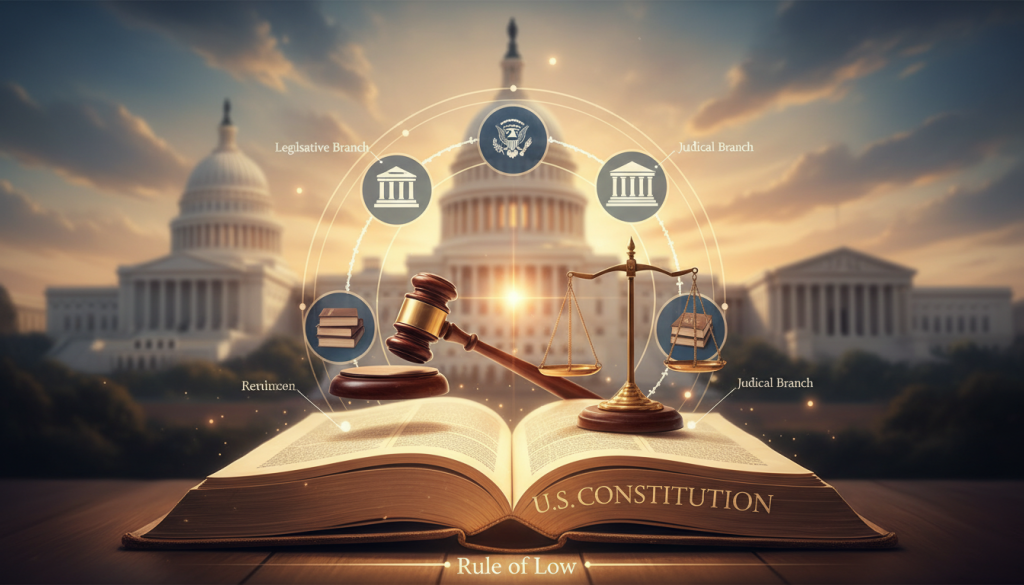
Understanding the U.S. legal framework structure is essential for businesses to operate effectively and comply with the various laws and regulations that govern their activities.
Categories of Legal Frameworks Governing Business Activities
Understanding the diverse legal frameworks that govern business operations is crucial for compliance and success. Businesses must navigate a complex legal landscape that encompasses various categories of legal frameworks.
Corporate Governance and Commercial Law
Corporate governance and commercial law form a critical category of legal frameworks. These laws regulate how businesses are owned, operated, and controlled. They cover aspects such as board composition, shareholder rights, and contractual obligations. Compliance with these laws ensures transparency and accountability within the organization.
Employment and Labor Relations Framework
The employment and labor relations framework is another vital category. It includes laws related to employment contracts, workplace safety, discrimination, and labor unions. Businesses must adhere to these regulations to maintain a fair and safe working environment.
Environmental Compliance and Sustainability Laws
Environmental compliance and sustainability laws are increasingly important. These laws govern how businesses impact the environment and require companies to adopt sustainable practices. Compliance involves adhering to regulations on emissions, waste management, and environmental impact assessments.
Consumer Protection Regulations
Consumer protection regulations are designed to safeguard consumer rights. These laws cover areas such as product safety, advertising practices, and data protection. Businesses must comply with these regulations to avoid legal repercussions and maintain consumer trust.
Industry-Specific Regulatory Frameworks
Various industries are subject to specific regulatory frameworks. For instance:
- Financial Services Regulations: Govern banking, insurance, and securities.
- Healthcare and Pharmaceutical Compliance: Regulate healthcare delivery and drug manufacturing.
- Technology and Digital Business Laws: Address data privacy, cybersecurity, and digital transactions.
By understanding and complying with these categories of legal frameworks, businesses can mitigate risks, ensure legal compliance, and foster a positive reputation.
Why Legal Framework Compliance Matters for Your Business
Compliance with legal frameworks is not just a necessity, but a strategic advantage for businesses. In today’s complex regulatory environment, understanding and adhering to legal requirements is crucial for maintaining a competitive edge and avoiding costly penalties.
Legal Obligations and Mandatory Requirements
Businesses must comply with a myriad of legal obligations, including statutory laws, administrative regulations, and industry-specific standards. These requirements are designed to ensure fair business practices, protect consumers, and promote a safe working environment.
Financial and Reputational Consequences of Non-Compliance
Failure to comply with legal frameworks can result in significant financial and reputational consequences. Some of the potential risks include:
- Civil Penalties and Fines: Regulatory bodies can impose substantial fines on non-compliant businesses.
- Criminal Liability Risks: In severe cases, non-compliance can lead to criminal charges against the company or its executives.
- Damage to Brand Reputation: Non-compliance can tarnish a company’s reputation, eroding customer trust and loyalty.
Creating a Compliance-First Organizational Culture
To mitigate these risks, businesses should foster a compliance-first organizational culture. This involves:
- Establishing clear policies and procedures
- Providing regular training to employees
- Monitoring compliance and addressing any issues promptly
By prioritizing compliance, businesses can not only avoid legal pitfalls but also enhance their reputation and build trust with stakeholders.
Identifying and Mitigating Legal Risks
Effective legal risk management is essential for businesses to navigate the intricate legal landscape. Companies must be proactive in identifying potential legal risks that could impact their operations, financials, and reputation.
Common Legal Risk Areas for Businesses
Businesses face various legal risks, including contractual disputes, intellectual property vulnerabilities, and employment-related legal exposure. Understanding these risk areas is crucial for developing effective mitigation strategies.
Contractual Obligations and Disputes
Contractual obligations are a significant source of legal risk. Businesses must ensure that contracts are carefully drafted and reviewed to avoid potential disputes.
Intellectual Property Vulnerabilities
Protecting intellectual property is vital for businesses, especially in industries where IP is a key asset. Companies must implement robust measures to safeguard their IP.
Employment-Related Legal Exposure
Employment laws and regulations are complex and varied. Businesses must comply with these laws to avoid legal exposure related to employment practices.
Conducting Comprehensive Risk Assessments
A comprehensive risk assessment is a critical step in identifying and mitigating legal risks. This process involves evaluating potential risks, assessing their likelihood and impact, and developing strategies to mitigate them.
| Risk Area | Likelihood | Impact | Mitigation Strategy |
|---|---|---|---|
| Contractual Disputes | High | Medium | Regular Contract Review |
| IP Vulnerabilities | Medium | High | IP Protection Measures |
| Employment-Related Risks | High | High | Compliance Training |
Developing Proactive Risk Mitigation Strategies
Once risks are identified, businesses must develop proactive strategies to mitigate them. This can include implementing compliance programs, conducting regular audits, and providing training to employees.
Insurance and Legal Protection Mechanisms
Insurance and other legal protection mechanisms can provide an additional layer of protection against legal risks. Businesses should consider these options as part of their overall risk management strategy.
Critical Federal Legal Frameworks for Business Compliance
Businesses operating in the United States must comply with a myriad of federal legal frameworks that govern various aspects of their operations. These frameworks are designed to ensure fair business practices, protect consumers, and maintain market integrity.
Securities Laws and SEC Regulations
Securities laws, enforced by the Securities and Exchange Commission (SEC), require businesses to disclose financial information and comply with strict reporting standards. This framework is crucial for maintaining transparency and preventing fraud in the securities markets.
Federal Tax Code and IRS Requirements
The Federal Tax Code and regulations enforced by the Internal Revenue Service (IRS) dictate how businesses must report and pay taxes. Compliance with tax laws is essential to avoid penalties and ensure financial stability.
Antitrust Laws and Competition Regulations
Antitrust laws, including the Sherman Act and Clayton Act, are designed to promote competition and prevent monopolies. Businesses must understand these laws to avoid anti-competitive practices that could result in significant legal consequences.
Data Privacy Laws and Cybersecurity Requirements
Data privacy laws, such as the Gramm-Leach-Bliley Act (GLBA) and the Health Insurance Portability and Accountability Act (HIPAA), regulate how businesses handle sensitive customer information. Ensuring compliance with these laws is critical to protect against data breaches and maintain customer trust.
State Data Privacy Laws Beyond Federal Standards
In addition to federal laws, businesses must also comply with state-specific data privacy regulations, such as the California Consumer Privacy Act (CCPA). These laws may impose stricter requirements than federal standards.
Cross-Border Data Transfer Regulations
For businesses operating internationally, understanding cross-border data transfer regulations is vital. Laws such as the General Data Protection Regulation (GDPR) in the European Union impose strict requirements on how personal data is transferred across borders.
By understanding and complying with these critical federal legal frameworks, businesses can mitigate legal risks, ensure operational integrity, and maintain a competitive edge in the market.
Practical Steps for Implementing Legal Compliance Programs
Effective legal compliance programs are essential for companies to navigate the complex legal landscape successfully. Implementing such programs requires a multi-faceted approach that includes several key steps.
Conducting Initial Legal Compliance Audits
The first step in implementing a legal compliance program is to conduct a thorough audit to identify areas of potential non-compliance. This involves reviewing existing policies, procedures, and practices to ensure they align with relevant laws and regulations.
Developing Written Policies and Procedures
Once the audit is complete, businesses should develop clear, written policies and procedures that outline compliance expectations and guidelines. These documents should be easily accessible to all employees.
Establishing Employee Training and Awareness Programs
Employee training is a critical component of any compliance program. This includes:
- Onboarding Compliance Training: Ensuring that new employees understand compliance requirements from the outset.
- Ongoing Education and Updates: Regular training sessions to keep employees informed about changes in laws and regulations.
Creating Monitoring and Reporting Systems
To ensure the effectiveness of compliance programs, businesses must establish robust monitoring and reporting systems. This allows for the identification and addressing of compliance issues in a timely manner.
Designating Compliance Officers and Responsibilities
Clear designation of compliance officers and their responsibilities is crucial. This ensures that there is accountability and a clear point of contact for compliance-related matters.
By following these practical steps, businesses can develop and implement effective legal compliance programs that mitigate legal risks and promote a culture of compliance.
Leveraging Legal Professionals and Expert Advisors
In today’s intricate business environment, leveraging legal professionals and expert advisors is crucial for ensuring compliance and mitigating risks. Businesses often require the expertise of legal professionals and advisors to navigate complex legal frameworks.
Determining When Legal Counsel Is Essential
Legal counsel is essential in various situations, such as during mergers and acquisitions, when facing litigation, or when navigating regulatory compliance issues. Identifying the right moment to seek legal advice can significantly impact the outcome of business decisions.
Building Strategic Relationships with Law Firms
Building a strategic relationship with a law firm can provide businesses with ongoing legal support and guidance. This involves selecting a firm that understands the business’s specific needs and industry.
- Evaluate the firm’s experience and expertise in your industry.
- Assess their reputation and client reviews.
- Consider their ability to provide comprehensive legal services.
Evaluating In-House Legal Teams vs. External Counsel
Deciding between in-house legal teams and external counsel depends on the business’s specific needs and resources. In-house teams offer deep company knowledge, while external counsel provides specialized expertise.

Working with Compliance Consultants and Specialists
Compliance consultants and specialists play a vital role in ensuring businesses adhere to regulatory requirements. Their expertise helps in developing effective compliance programs.
Maintaining Awareness of Legal Framework Changes
Staying informed about changes to legal frameworks is crucial for businesses to remain compliant and competitive. As legislative developments and regulatory updates continue to evolve, it’s essential to have a proactive approach to tracking these changes.
Legislative Updates and Regulatory Guidance
Businesses must monitor legislative developments, including new laws and amendments to existing ones. Regulatory agencies also issue guidance and updates that can impact business operations.
Court Decisions and Industry Impact
Understanding court decisions that affect your industry is vital. These decisions can set precedents and influence how businesses operate.
Staying Informed
To stay ahead, businesses can subscribe to legal updates and industry resources. This includes following reputable law firms, industry associations, and regulatory bodies.
Adapting to Change
Adapting business practices to new requirements is essential. By staying informed and being proactive, businesses can navigate legal framework changes effectively, minimizing risks and capitalizing on opportunities.
FAQ
What is a legal framework and why is it important for businesses?
A legal framework refers to the set of laws, regulations, and rules that govern business operations. It is essential for businesses to understand and comply with the legal framework to avoid legal risks, financial penalties, and reputational damage.
What are the essential building blocks of a legal framework?
The essential building blocks of a legal framework include constitutional provisions, federal and state statutory laws, administrative regulations, and common law. Understanding these elements is crucial for businesses to navigate the complex legal landscape.
How do businesses comply with multiple legal frameworks?
Businesses must comply with various legal frameworks, including corporate governance, employment and labor relations, environmental compliance, and consumer protection regulations. Compliance requires a thorough understanding of these frameworks and their interrelations.
What are the consequences of non-compliance with legal frameworks?
Non-compliance with legal frameworks can result in financial penalties, reputational damage, and legal risks. Businesses must prioritize compliance to avoid these consequences and maintain a positive reputation.
How can businesses identify and mitigate legal risks?
Businesses can identify and mitigate legal risks by conducting comprehensive risk assessments, developing proactive risk mitigation strategies, and leveraging insurance and legal protection mechanisms. This helps to minimize potential risks and ensure compliance.
What are some critical federal legal frameworks that businesses must comply with?
Critical federal legal frameworks include securities laws, federal tax code, antitrust laws, and data privacy laws. Businesses must understand and comply with these frameworks to avoid legal risks and financial penalties.
How can businesses implement effective legal compliance programs?
Businesses can implement effective legal compliance programs by conducting initial compliance audits, developing written policies and procedures, establishing employee training and awareness programs, and creating monitoring and reporting systems.
When should businesses seek legal counsel?
Businesses should seek legal counsel when facing complex legal issues, navigating regulatory requirements, or requiring guidance on compliance matters. Experienced legal professionals can provide valuable expertise and support.
How can businesses stay up-to-date with changes in legal frameworks?
Businesses can stay informed about changes in legal frameworks by tracking legislative developments, monitoring regulatory agency updates, and subscribing to legal updates and industry resources. This helps to ensure ongoing compliance and minimize potential risks.