

You may have felt the thrill of freedom and the fear of uncertainty at once. Years of steady pay can leave anyone anxious about stepping away. This guide meets that feeling with clear, practical steps rooted in real life and real rules in France.
We define what « how to become a freelancer » means in 2025: not just getting projects but building a steady income system, client processes, and admin routines that protect time and health.
Expect a mindset shift from employee tasks to running a service business. We map a step-by-step plan: positioning, legal setup (Urssaf, micro-entreprise, SIRET, VAT/TVA), invoicing, taxes, and client acquisition. The aim is fewer surprises and more predictable work.
This guide is for professionals seeking security and structure. We offer practical France-specific details and universal habits—portfolio building, networking, pricing discipline—so freelancers and aspiring freelancers can make risk-aware decisions.
Table of Contents
Key Takeaways
- See freelancing as a business that needs processes, not just projects.
- Use a clear plan covering legal setup and steady client work in France.
- Protect your time, money, and well-being with predictable systems.
- Balance France-specific rules (Urssaf, SIRET, TVA) with common best practices.
- Follow disciplined pricing, portfolio care, and targeted networking.
Freelancing Reality Check: What Changes When You Leave a Traditional Job
Leaving steady employment brings immediate changes in cashflow and daily routines.
Variable income arrives first: pay depends on client schedules and project timing. You must forecast receipts, set aside money for taxes, and build a buffer for quiet months. Forecasting replaces paycheck certainty and protects your business.
Employer benefits disappear: paid vacation, sick leave, employer pension contributions, and payroll-managed deductions no longer apply. You will replace these with deliberate choices: higher rates, regular savings, and insurance for health and disability.
Managing finances means separating personal and business accounts, tracking invoices, and keeping simple books. This habit makes tax season calmer and gives you control over cashflow across the years.
Working solo changes daily life. Independence can sharpen focus and speed decisions, but isolation can reduce motivation. Establish a routine, regular check-ins with peers, and scheduled breaks to protect each work day.
- Plan pricing that covers benefits you lost.
- Keep an emergency fund for feast/famine cycles.
- Use routines and community to limit isolation.
Freelancing can be rewarding for many people, but it asks for structure, consistency, and resilience. For practical steps on leaving a CDI and preparing your admin and finances, see this guide.
Build a Freelance Plan You Can Actually Stick To
Start with a modest, testable timeline that protects your income while you build client work on the side. This keeps risk low and lets you confirm demand before any major change.
Setting realistic timelines while still employed
Plan one clear year of milestones. Break the year into weekly tasks. Each week, spend dedicated hours on outreach, samples, or admin. Keep the schedule realistic so it fits around your job and life.
Creating a financial buffer
Build a runway that covers living costs, business setup, and slow payment cycles. Aim for three to six months of essential expenses.
Defining your ideal work life
Choose the best setup: a quiet home office, a community coworking space, or a hybrid mix. Compare costs and focus needs.
« A phased calendar reduces stress and keeps momentum steady. »
- Keep one weekly review and adjust the schedule.
- Test coworking options like Morning.fr, Workin.space, and WeWork (Paris) before committing.
- Use simple tracking so you always know the next task.
| Option | Monthly Cost | Main Benefit | Best for |
|---|---|---|---|
| Home office | Low | Cost control | Focused solo work |
| Coworking | Medium | Community & networking | Client-facing roles |
| Hybrid | Variable | Flexibility | Balanced lifestyle |
For practical steps and more freelance lifestyle information, see our freelance lifestyle tips. We provide clear knowledge and useful information so you can follow a plan that lasts.
Choose Your Services, Niche, and Client Type
Turn your strongest skills into clear, sellable packages that clients can budget for quickly.
Start by listing tasks you perform reliably. Group them into discrete services that deliver measurable results.
Example for writers and content pros:
- SEO blog posts (brief, long-form, pillar pages)
- Website copy and landing pages
- Email sequences and lead magnets
- Ghostwriting for founders and personal brands
- Editing AI-generated content and quality control
Niche reduces uncertainty. Narrowing your focus sharpens your marketing message. It also makes outreach less stressful and more effective for businesses that need specific expertise.
Simple validation process
Check job posts, agency briefs, and common pain points in target industries. Align your services with outcomes those businesses list, such as traffic growth, conversion lift, or time saved.
| Service | Typical Outcome | Best Client Type |
|---|---|---|
| SEO blog posts | Increased organic traffic | SMEs, niche publishers |
| Website copy | Higher conversion rate | Startups, SaaS |
| Email sequences | Improved lead conversion | E-commerce, coaches |
| Ghostwriting | Stronger thought leadership | Founders, executives |
Clarity protects your pricing, timelines, and client expectations. When services are precise, you quote faster and deliver with less scope creep.
For a step-by-step checklist on packaging services and legal setup in France, see our packaged services guide.
Create Your Portfolio and Online Presence (Website + Social Media)
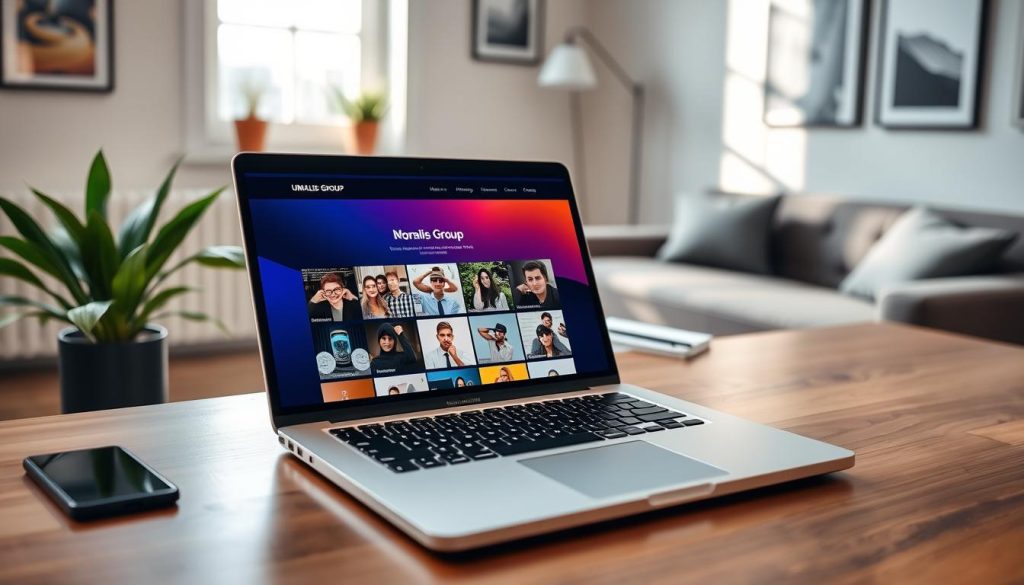
Clients judge reliability in seconds; your site and profiles must answer fast.
Launch a simple website quickly. Use WordPress, Wix, or Squarespace and keep pages minimal: services, several samples, concise benefits, and one clear contact method. Prioritize speed over design perfection.
Build a portfolio even without paid experience. Publish crafted samples on Medium or Google Docs, write guest posts for niche blogs, and upload polished excerpts to your site. Real examples showing results matter more than an empty gallery.
Credibility signals that work
- Outcome-focused sample: show metric or client benefit where possible.
- Focused niche statement: a single sentence about who you help and what you deliver.
- Consistent formatting: same fonts, headings, and brief summaries on each sample.
Use social media and LinkedIn with intent
Post short, useful content regularly. Comment on industry threads and share sample case studies. Over time, repeating valuable posts makes your name recognizable and shortens trust cycles in sales calls.
| Element | Quick Setup | Main Benefit |
|---|---|---|
| Website (one page) | WordPress/Wix/Squarespace | Immediate credibility and contact path |
| Portfolio samples | Medium, Google Docs, guest posts | Proof of skill without paid work |
| Social media (LinkedIn) | Daily micro-posts, comments | Recognition and inbound leads |
Use simple tools to speed production: Grammarly or Hemingway for editing, Canva for visuals, and Trello or Google Sheets for organizing content and pitch follow-ups. For a practical walkthrough, see our guide on building your online presence.
How to Become a Freelancer in France: Legal Status, Eligibility, and Visas
The first practical step is to verify if your immigration status allows non-salaried work in France. EU nationals may register a micro-entreprise without a titre de séjour. Non-EU nationals need a permit that explicitly allows self-employed activity.
Which permits allow self-employment?
- EU/EEA/Swiss citizens: free to register and run a business.
- Non-EU residents: require a carte de séjour permitting non-salaried activity or the entrepreneur/profession libérale card.
- Certain student or salarié visas can prevent registration; check limits before you start.
When the entrepreneur residence card matters
The carte de séjour entrepreneur/profession libérale is often requested when non-EU applicants must prove project viability. Authorities may ask for a multi-year business plan and proof of income forecasts.
Choosing the right legal structure
- Micro-entreprise: low admin, simple taxes, but limited deductions and turnover caps.
- EURL / SASU: more liability protection and deductible costs, with heavier formalities.
- Portage salarial: an umbrella option where the company handles invoices and payroll; expect roughly a 7–10% fee but less admin burden.
Regulated professions and special rules
Certain roles—architects, lawyers, medical professionals, accountants—require membership in professional orders or specific credentials. Regulation can limit access to standard routes and adds formal steps.
« Confirm eligibility first; structure choice follows residency and regulation. »
For detailed administrative steps and forms, see our registration and admin guide.
Registering Your Freelance Business and Setting Up French Admin

Registering your activity correctly prevents admin delays and builds client confidence from day one. This step covers the registration process, recordkeeping, and simple tools that reduce overhead.
Register with Urssaf and choose your activity
Register via Urssaf and select the correct category: commerçant, artisan, or services. Declare your activité principale exercée clearly; this affects tax codes and professional classification.
For clear guidance on local rules and options, see our page about freelance in France and the Expatica summary for non-French nationals at register via Urssaf.
SIREN / SIRET and what to do while waiting
INSEE usually issues a SIREN/SIRET within about one month. If the number is pending, you may legally add “SIRET en cours d’attribution” on invoices.
Simple month-to-month recordkeeping
Keep a lean routine: save factures, log recettes, and record dépenses every month. This habit prevents surprises at year-end and supports accurate declarations.
Practical tools that reduce admin
Use MyAE.fr for micro-entrepreneur dashboards and a time tracker like Toggl to measure where your time goes. These tools free you from repetitive admin and clarify project profitability.
| Task | What to record | Recommended tool |
|---|---|---|
| Registration | Category, activité principale | Urssaf portal |
| Invoicing while pending | Use compliant wording | “SIRET en cours d’attribution” |
| Monthly reconciliation | Factures, recettes, dépenses | MyAE.fr / Excel |
| Time tracking | Project hours and job tasks | Toggl |
« Clear admin is not paperwork; it’s a trust signal for clients and a shield for your business. »
Pricing, Invoicing, and Getting Paid Without Stress
Good pricing begins by valuing both project delivery and the unpaid work that keeps your business running. Set rates that cover living costs, admin time, software, and unpaid marketing so your income supports real life.
What to include on factures and devis
French invoices must be complete and clear. Include invoice date, delivery or service date, description of prestations, unit price, discounts, totals, client name and address, your SIREN (or note SIRET when available), and payment terms.
| Required item | Why it matters | Example |
|---|---|---|
| Invoice date | Legal trace | 2026-03-01 |
| Description of prestation | Defines billed work | 10 SEO blog posts |
| SIREN / SIRET | Allows client accounting | 123 456 789 |
VAT, payment terms, and cashflow habits
Micro-entreprises under thresholds do not charge VAT. Add the phrase “TVA non applicable, article 293 B du CGI” on invoices when relevant.
French law sets 30 days as the standard payment term. Protect cashflow with clear due dates, an initial deposit, and polite reminder cycles. Offer invoices in English if needed, but have a French translation ready for accounting teams.
« A consistent invoicing process turns payment from crisis into routine. »
- Price services so income covers non-billable time and reserves.
- Keep templates with required fields and the TVA mention when applicable.
- Use deposits and reminders to limit late payments from clients.
Taxes, Banking, and Social Security in France for Freelancers
Handling money, taxes, and protection correctly removes many surprises and lets you focus on work that matters.
Banking rules: If your annual revenue for the micro-entrepreneur regime exceeds €10,000, French law requires a dedicated account. Many people choose online business accounts like Qonto or N26 for clean bookkeeping. A separate personal checking account can be acceptable short-term, but a dedicated business account simplifies declarations and client confidence.
Income tax options: The versement libératoire lets you pay income tax as a fixed percentage of receipts. It adds predictability and can suit moderate earners who prefer a single monthly or quarterly outflow. For low income in the first year, it may be less attractive; evaluate forecasts before opting in.
CFE and local taxes: Cotisation Foncière des Entreprises varies by municipality and can affect what you owe each year. Cities set rates and exemptions differ, so check your mairie and plan for the first bill after registration.
- Social charges: Micro social contributions are around 22% of turnover plus ~0.20% for professional training. These payments fund healthcare and social rights.
- Benefits: You gain healthcare coverage and access to paid sick and parental leave after qualifying periods; retirement credits accrue with declared income.
- Insurance and protection: Professional liability insurance (assurance responsabilité professionnelle) is strongly recommended. Micro status leaves unlimited personal exposure; consider déclaration d’insaisissabilité or choosing EURL/SASU for limited liability.
« Clear financial setup is both a shield and a tool for sustainable work life. »
For more structured guidance on legal status and fiscal choices, see our freelance status guide.
Finding Clients in France: Outreach, Networking, Agencies, and Platforms
Client acquisition relies on habits: small weekly actions that turn your name into a trusted resource. Start with people who already know your work and send concise updates that show recent results.
Start with your network and the long game
Contact former colleagues, past employers, and partners with a clear offer. Share one short case and one next step you suggest. Nurture relationships; trust grows over months, not days.
Cold email local businesses with a clear value message
Write one-line subject lines and a two-sentence benefit statement. Offer a small, time-limited trial or audit that proves value. Keep follow-ups polite and scheduled.
Networking and partnership channels
Attend Chamber of Commerce meetups and #linkedinlocal events. Approach web and marketing agencies for overflow work; present a concise rate card and recent samples.
- Find jobs on Malt, Upwork, LinkedIn, Indeed, Welcome to the Jungle, and MeteoJob.
- Use coworking spaces for warm introductions and repeat client chances.
- Avoid content mills; prioritize clients who pay for quality and reliability.
« Consistent presence and clear offers create a pipeline that lasts. »
Conclusion
Treat this plan as a steady reference that supports daily, small actions. It pulls the roadmap into clear steps you can revisit when choices feel uncertain.
Protective basics matter: keep a financial buffer, simple admin routines, clear services, and steady lead habits. These habits stabilise income and save time on stressful days.
For France, check Urssaf registration, SIRET/SIREN, invoice rules and the TVA mention, and meet banking thresholds. Use practical tools—MyAE.fr, Toggl, Malt, LinkedIn Local, Qonto or N26—to simplify the process.
This work grows from many small actions repeated over years. Start this week: touch up your portfolio, refine your website profile, build an outreach list, and save an invoice template. We believe you can enjoy freedom while keeping security for your career and life as a freelancer in France.
FAQ
What are the first steps to launch an independent professional career while still employed?
Start with a realistic timeline and a simple plan. List the services you can sell, set short milestones for a portfolio and website, and build a three- to six-month financial buffer. Use evenings and weekends for client outreach and samples so your steady salary covers basic expenses until income stabilizes.
How does income change when you leave a traditional job for independent work?
Expect variable pay instead of a steady paycheck. Cash flow will fluctuate with client cycles. Manage this by setting payment terms, keeping a cash reserve, and invoicing promptly. Diversify clients and mix retainer, project, and hourly work to smooth earnings.
Which legal structure should someone pick in France for solo activity?
Choice depends on revenue, liability, and growth plans. Many start as micro-entreprise for simplicity and tax clarity. EURL or SASU suit higher turnover or when limited liability matters. Portage salarial offers employee status with simplified admin. Consult an accountant for your situation.
What registration steps are required with French authorities?
Register with Urssaf and declare your main activity (activité principale exercée). You’ll receive a SIREN/SIRET from INSEE; while pending, keep records of invoices and contracts. Use platforms like MyAE.fr and dedicated accounting tools to simplify ongoing filings.
What should be included on a French invoice and estimate?
Include your name or company name, SIRET, date, client details, Service description, unit price, total, payment terms, and VAT info. For micro-entrepreneurs exempt from VAT, add “TVA non applicable — article 293 B CGI.” Keep clear estimates (devis) so clients know scope and price before you start.
When does a separate bank account become mandatory in France?
Micro-entrepreneurs with annual turnover above €10,000 over two consecutive years must open a dedicated professional account. Even below that threshold, a separate account improves bookkeeping and simplifies tax and social charge declarations.
What tax and social charge options exist for small independents in France?
Options include standard income tax reporting and the versement libératoire, which lets eligible micro-entrepreneurs pay income tax as a percentage of turnover. Social charges are collected via Urssaf; you’ll also face the CFE (cotisation foncière des entreprises) depending on location. Review choices with a tax advisor.
How can someone build credibility without much client experience?
Create strong, honest samples and case studies, guest post on industry blogs, and offer pro bono or discounted work for reputable local businesses. Show measurable results, publish testimonials, and keep LinkedIn updated so your profile supports outreach.
What tools help with invoicing, time tracking, and admin for independent work?
Use cloud invoicing like QuickBooks, FreeAgent, or French-focused tools such as VosFactures. Time trackers like Toggl or Clockify simplify billing. For micro-entrepreneurs, MyAE.fr and simple spreadsheets can handle basic bookkeeping until you scale.
How should one price services to protect income and win clients?
Base rates on market research, your experience, and real costs (taxes, social charges, overhead). Offer clear packages and retainers to stabilize cash flow. Use hourly rates for open-ended work and fixed prices for defined deliverables. Revisit pricing regularly as you gain clients and results.
Where can independents in France find clients and projects?
Start with your existing network and ask for referrals. Use platforms like Malt and LinkedIn, plus international sites such as Upwork for diverse leads. Attend Chambre de Commerce events, LinkedIn Local meetups, and coworking spaces to meet local decision-makers and agencies seeking freelancers.
What insurance and protection should be considered when working solo?
Consider professional liability (responsabilité civile professionnelle), income protection insurance, and coverage for home office equipment. If you bill clients internationally, ensure contract terms clearly limit liability and define payment and intellectual property conditions.
How can someone avoid isolation while working independently?
Join coworking spaces, professional associations, and online communities. Schedule regular networking, share projects with peers, and set structured work hours. Building local relationships creates both social support and new business opportunities.
When is portage salarial a good option in France?
Portage salarial suits those who want freelance freedom while retaining employee rights like paid leave and social protection. It’s ideal early on, for short missions, or if you prefer limited administrative responsibility. Fees reduce take-home pay but increase security and simplicity.
What records should be kept for tax and compliance purposes?
Keep invoices, estimates, receipts, bank statements, and expense records for at least five years. Track client contracts and delivery confirmations. Organized monthly records simplify declarations, audits, and cashflow management.
How long does it typically take for independent income to match a salaried wage?
Timelines vary widely. Many professionals reach similar income within 12–24 months if they build a clear niche, consistent client pipeline, and steady marketing. The timeline shortens with pre-existing contacts, strong portfolio, and disciplined financial planning.