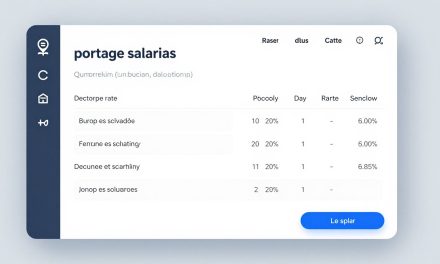

Navigating your finances as an independent professional in France involves more than just tracking earnings. The system includes social contributions and other important considerations that directly affect your net income.
We understand this landscape can feel complex. That’s why Umalis created a comprehensive Revenue Simulator. This tool provides clarity and confidence for your financial planning.
The financial outcomes of your professional choices are significant. They impact your long-term security and require reliable information and guidance. Our approach combines expert advice with accessible technology.
This ensures you have the support needed to make informed decisions about your financial situation. For a deeper look at financial planning tools, explore this review of the top salary portage income simulators.
The Umalis simulator serves as your trusted companion. It offers personalized projections to show how different income scenarios affect your take-home pay. By leveraging accurate data, you can approach your future with true understanding.
Table of Contents
Key Takeaways
- French independent professionals face a multifaceted financial system beyond simple income calculations.
- The Umalis Revenue Simulator is designed to demystify this complexity and provide clarity.
- Professional choices have significant financial implications for long-term security.
- Personalized projections help you understand the net effect of different income levels.
- Combining technology with expert support empowers you to make confident decisions.
- Accurate, up-to-date information is crucial for effective financial planning.
Understanding the French Tax System
France’s approach to personal taxation balances progressive brackets for earned income with flat rates for certain capital returns. This system ensures that your contributions align with your capacity to pay while funding essential social services.
The progressive nature means your effective rate increases as your earnings grow. For the 2024 year, the brackets create distinct thresholds that significantly impact your net income.
Income Tax, Social Charges, and Progressive Rates
Your employment income faces graduated rates starting at 0% and reaching 45% for high earners. Social contributions add another layer, typically 9.7% for activity income.
| Tax Bracket | Rate | Taxable Income Range (€) | Applicable To |
|---|---|---|---|
| First bracket | 0% | Up to 11,294 | Single individuals |
| Second bracket | 11% | 11,294 – 28,797 | Per household part |
| Third bracket | 30% | 28,797 – 82,341 | Progressive system |
| Fourth bracket | 41% | 82,341 – 177,106 | Higher incomes |
| Top bracket | 45% | Above 177,106 | Maximum rate |
Capital Gains and Wealth Tax on Real Estate
Investment returns follow different rules. Real estate capital gains face a 19% rate, while dividends and interest income combine 12.8% income tax with 17.2% social charges.
This flat tax of 30% offers predictability for your investment planning. Your residency status determines whether these rules apply to your worldwide income or only French-source earnings.
We help you understand how these components interact in your specific situation. For deeper guidance on managing your fiscal obligations, our experts provide personalized support.
Understanding Tax Implications for Independent Professionals

Your status as a resident or non-resident shapes your entire fiscal landscape in France. This distinction determines whether you declare only French-source earnings or your worldwide income. For portage salarial professionals and freelancers, clarity on residency is essential.
New residents must file an income tax return in the year following their arrival. Annual submissions typically occur each May. The 183-day threshold automatically establishes residency, even if your main home remains elsewhere.
Residency, Worldwide Income, and Filing Obligations
Once considered a resident, you declare all global earnings on your French declaration. This includes professional fees, foreign rental properties, and investment returns. Comprehensive tracking throughout the year becomes crucial.
We help you understand how these rules apply to your specific situation. The Umalis Revenue Simulator incorporates residency factors into its projections.
Reporting Foreign Accounts and Specific Deductions
French taxation requires declaring foreign bank accounts using Form 3916. Each unreported account risks penalties from €1,500 to €10,000 annually. This compliance aspect is vital for professionals with international connections.
| Reporting Requirement | Form Needed | Penalty Range (per account/year) | Application |
|---|---|---|---|
| Foreign bank accounts | 3916 | €1,500 | All residents |
| Foreign life insurance | 3916 | €1,500-€10,000 | Policy holders |
| Digital asset accounts | 3916 | €1,500 | Crypto investments |
Understanding available deductions can significantly reduce your taxable income. These include actual expenses (frais réels) and childcare credits. Proper documentation is essential for claiming these benefits.
We strongly recommend that individuals seek professional advice when navigating these complex french tax requirements. Our experts provide guidance tailored to independent professionals’ unique situations.
Leveraging Umalis’ Revenue Simulator as a Financial Tool
Making informed decisions about your professional trajectory demands clear insight into your actual take-home pay. The Umalis Revenue Simulator bridges this gap by transforming complex calculations into understandable projections.
Features and Benefits That Enhance Clarity
Our tool integrates all relevant components of French fiscal rules. It provides a comprehensive view of your net income after obligations. This delivers immediate value by eliminating uncertainty.
You can model different revenue scenarios with precision. See how rate changes or additional clients affect your bottom line. The simulator acts as your personal financial advisor.
How the Simulator Informs Investment Decisions
Understanding your projected net income enables smarter resource allocation. This clarity supports strategic investment planning throughout the year.
The tool helps individuals time significant expenses appropriately. It provides the information needed for meaningful financial conversations. This empowers you to navigate your unique situation with confidence.
For deeper exploration of financial planning tools, consider reviewing the top salary portage income simulators available to professionals like you.
Optimizing Your Tax Strategy: Tips and Expert Advice

Optimizing your financial outcomes demands a proactive approach to understanding available benefits and obligations. Strategic planning can significantly impact your annual taxable income and long-term financial security.
Expert Insights on Deductions, Credits, and Rate Changes
Understanding available deductions is crucial for effective planning. Expenses like professional costs and childcare credits can reduce your income tax burden substantially.
Different investment types face varying taxation levels. Capital gains from long-term holdings often benefit from preferential rates compared to ordinary income or dividends.
We strongly recommend you seek professional advice from qualified tax advisors. Their expertise helps navigate complex french tax regulations effectively.
Staying Updated with Evolving French Tax Rules
French tax rules change regularly, affecting rates and available benefits. Staying informed helps anticipate how modifications impact your financial planning each year.
The strategic timing of capital gains realization can optimize your position. Offsetting gains with underperforming investments provides valuable flexibility.
By combining Umalis’ Revenue Simulator with personalized professional advice, you develop a comprehensive strategy. This approach ensures compliance while protecting your interests. For deeper insights, explore key considerations for your financial planning.
Additional Considerations in French Taxation
For independent professionals building diverse income streams, understanding France’s specialized fiscal rules becomes essential for comprehensive wealth management. These regulations affect how your capital grows and transfers across generations.
The Impôt sur la Fortune Immobilière (IFI) applies when your real estate assets exceed €1.3 million in net value. This wealth tax focuses exclusively on property holdings rather than overall financial wealth.
Investment Income, Dividends, and Social Contributions
Your investment returns face distinct treatment under French rules. Dividends and interest income combine 12.8% income levy with 17.2% social charges for a flat 30% rate.
Capital gains from real estate sales face a 19% rate plus social contributions. These rules create predictable outcomes for your portfolio planning.
« Understanding these specialized areas ensures your financial strategy accounts for all obligations, not just those on earned income. »
Social contributions of 17.2% apply comprehensively to investment income, dividends, and property returns. This represents a substantial component of your overall fiscal burden on capital-derived earnings.
| IFI Wealth Tax Bracket | Tax Rate | Net Real Estate Value | Application |
|---|---|---|---|
| Initial bracket | 0.5% | €1,300,000 – €2,570,000 | Progressive system |
| Middle bracket | 0.7% | €2,570,000 – €5,000,000 | Higher values |
| Upper bracket | 1.0% | €5,000,000 – €10,000,000 | Substantial holdings |
| Top bracket | 1.5% | Above €10,000,000 | Maximum rate |
New French residents benefit from a five-year exemption on foreign real estate assets. Professional properties may also qualify for exemptions from IFI obligations.
Estate planning intersects with French rules through inheritance levies that apply progressive rates based on relationship and asset value. Proper understanding of these specialized considerations helps protect your legacy.
Conclusion
Your journey as an independent professional deserves the confidence that comes from understanding your financial landscape. Mastering your fiscal obligations ensures you can focus on what matters most—growing your career.
The Umalis Revenue Simulator provides this essential clarity. It transforms complex french tax calculations into clear projections of your net income. This powerful tool helps you plan effectively for the coming years.
While technology offers valuable information, we recommend you seek professional advice for complex situations. Qualified experts provide personalized professional advice tailored to your unique taxable circumstances.
Take the first step toward financial confidence today. Explore how the simulator works and visit Umalis to access this essential planning tool for your independent career.
FAQ
What is the main benefit of using Umalis’ Revenue Simulator for tax planning?
The Umalis Revenue Simulator provides a clear forecast of your net income after French income tax and social charges. It helps you visualize different professional scenarios, making it easier to plan your finances and understand your potential taxable income throughout the year.
How does French income tax work for independent professionals?
French income tax operates on a progressive scale, meaning the rate increases as your taxable income rises. As a professional, your worldwide income is generally subject to taxation if you are a French resident. Our tool helps you estimate your liability based on your projected revenue.
Are capital gains on real estate investments taxed in France?
A> Yes, capital gains from the sale of real estate assets are subject to specific taxation rules. The rate can vary, and reductions may apply based on the duration of ownership. It’s crucial to factor this into your long-term investment strategy.
What are the key filing obligations for an independent professional in France?
Residents must declare their worldwide income annually. This includes reporting foreign bank and financial accounts. Properly declaring all sources is essential to comply with French tax rules and avoid penalties.
Can the Umalis simulator help with investment decisions?
Absolutely. By projecting your post-tax income, the simulator allows you to assess how much capital you can allocate to investments. This clarity helps in evaluating the net return on assets like real estate or stocks, considering factors like social contributions on investment income.
Why is it important to seek professional advice for my tax situation?
French taxation is complex and constantly evolving. Expert tax advisors provide personalized guidance on deductions, credits, and compliance with the latest rules, ensuring you optimize your position and meet all obligations securely.
How are dividends and interest from investments taxed?
Investment income such as dividends and interest is typically subject to both income tax and specific social contributions. The flat tax or progressive rates may apply, depending on your overall financial situation.